Massive data breach alert: A massive data leak has exposed 149 million usernames and passwords after an unprotected database was discovered online, according to a report by WIRED. The 98GB collection of credentials includes logins linked to financial services as well as popular platforms such as Facebook, Instagram, Gmail, Netflix, and the cryptocurrency exchange Binance, potentially putting millions of users at risk. The incident highlights serious lapses in data security and raises questions about how such a vast amount of sensitive information was left publicly accessible. 149 million accounts exposed Cybersecurity researcher Jeremiah Fowler, who uncovered the database and detailed his findings in a report, said it contained 149,404,754 unique login and password combinations. Gmail accounts made up the largest portion, with around 48 million credentials affected, followed by Facebook with 17 million. Add Zee News as a Preferred Source Instagram accounted for approximately 6.5 million compromised logins, while Yahoo had about 4 million, Netflix 3.4 million, and Outlook roughly 1.5 million.Moreover, the database also included around 4 million Yahoo accounts, 1.5 million Microsoft Outlook accounts, 900,000 Apple iCloud accounts, and 1.4 million .edu accounts from academic and institutional users. Leaked database taken offline Around 420,000 credentials were linked to Binance. Although the database has now been taken offline, it reportedly took more than a month for it to be removed. However, the Security analyst Jeremiah Fowler said he could not identify who owned or controlled the exposed database. He then contacted the hosting service, which eventually removed the data for violating its terms of service. While examining the records, Fowler found email and social media logins along with credentials linked to government systems in several countries. The database also included consumer banking, credit card details and accounts from media streaming platforms. Fowler believes the data was likely collected using infostealing malware. (Also Read: Redmi Note 15 Pro series India launch date confirmed for January 29; check expected display, camera, battery, AI features, price, and other specs) Malware harvested millions of logins This type of malware infects devices and records information typed by users, often through keylogging. He added that during the nearly one month it took to reach the hosting provider, the database continued to grow with new logins from multiple services. Fowler did not name the hosting company, saying it is a global provider that works through regional partners. One of these partners hosted the database in Canada. How to prevent data breaches involving usernames and passwords Pointer 1: Use strong, unique passwords for every account and avoid reusing the same credentials across multiple platforms. Pointer 2: Enable two-factor authentication (2FA) wherever possible to add an extra layer of security beyond passwords. Pointer 3: Keep software and devices updated to protect against known vulnerabilities exploited by malware and hackers. Pointer 4: Avoid clicking on suspicious links or downloads, as infostealing malware often spreads through phishing emails and fake websites. Pointer 5: Regularly monitor accounts for unusual activity and change passwords immediately if a breach or leak is suspected.
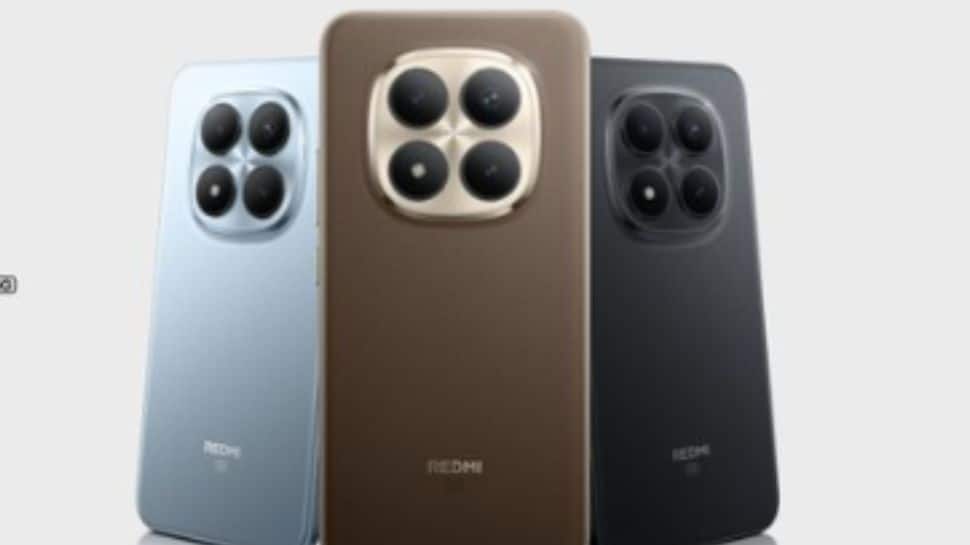
Redmi Note 15 Pro series India launch date confirmed for January 29; check expected display, camera, battery, AI features, price, and other specs | Technology News
Redmi Note 15 Pro series India launch date: Xiaomi is gearing up to launch the Redmi Note 15 Pro series in India on January 29, following the recent debut of the Redmi Note 15 earlier this month. The upcoming lineup is expected to include two smartphones, the Redmi Note 15 Pro and the Redmi Note 15 Pro Plus. While the Pro series has already made its global debut earlier this month and was launched in China last year, its India launch is now confirmed. The new smartphones will feature Xiaomi’s Redmi Titan Structure, which the company claims provides 10 times higher resistance to impact, making the devices more durable. Redmi Note 15 Pro series (Expected) Add Zee News as a Preferred Source The Redmi Note 15 Pro series is expected to feature a large 6.83-inch AMOLED display offering up to 3,200 nits of peak brightness. The screen will come with TUV eye care certification and Hydro Touch 2.0 technology, which improves touch responsiveness even when the phone is used with wet hands. The smartphone will be powered by the Qualcomm Snapdragon 7s Gen 4 processor, paired with up to 12GB of RAM for smooth performance. The devices are likely to pack a massive 6,500mAh battery with support for 100W HyperCharge fast charging and 22.5W reverse charging. According to Redmi, the battery is designed to deliver reliable performance for up to five years. You call it a long day. Your battery calls it light work. Thanks to the Redmi Note 15 Pro+ 5G, with 2-day battery life from a 6500mAh Silicon-Carbon Battery. pic.twitter.com/GAaXTsZYh5 — Xiaomi (@Xiaomi) January 23, 2026 On the camera front, the Redmi Note 15 Pro series is expected to sport a 200MP MasterPixel primary camera with HDR support. The smartphones will also offer several AI-powered features, including AI Writing, AI Speech Recognition, and AI Interpreter. In terms of durability, the series is expected to carry IP66, IP68, IP69, and IP69K ratings for dust and water resistance, along with Corning Gorilla Glass Victus 2 protection. Redmi Note 15 Pro Series Price In India (Expected) The REDMI Note 15 Pro series is likely to land in the sub-Rs 30,000 segment. The smartphone will be sold on Amazon.in, in addition to mi.com and offline stores, after the launch.

WEF 2026: India emerges as major AI force backed by reforms, digital infra, says IMF | Technology News
India is emerging as one of the world’s major forces in artificial intelligence (AI), supported by strong reforms, digital public infrastructure, and a skilled technology workforce, said Kristalina Georgieva, Managing Director of the International Monetary Fund, at the World Economic Forum in Davos. The IMF MD pointed to India’s rapidly built digital public infrastructure and deep pool of IT-skilled labour as major strengths, NDTV Profit reported. Georgieva said the IMF holds India in high regard for the pace and quality of its recent economic reforms. Add Zee News as a Preferred Source When asked about comments by Union Electronics and Information Technology Minister Ashwini Vaishnaw, Georgieva said that the Fund believes India’s prospects in AI are “remarkable”. Vaishnaw had recently pushed back strongly against remarks by Georgieva that India is in a “second grouping” of AI powers. Vaishnaw cited a Stanford assessment that showed India ranked third globally on AI preparedness. Georgieva noted that the IMF’s assessment showed AI could boost global growth by up to 0.8 percentage points and that dynamic economies like India stand to gain even more. “India is a very dynamic economy already, and with AI, it would be even more so,” Georgieva said, praising India’s approach to staying competitive while charting its own path on AI development. She confirmed her travel plans to India next month for the AI summit, saying she was “very, very excited” about the visit and described India as “a bright spot on a somewhat cloudy global economic horizon”. She cautioned that globally, expectations from AI are very high, which could cause downturns if they fail to materialise. Georgieva said that in such an environment, countries must focus on strong economic fundamentals, adding that India’s policy focus in this regard is admirable.
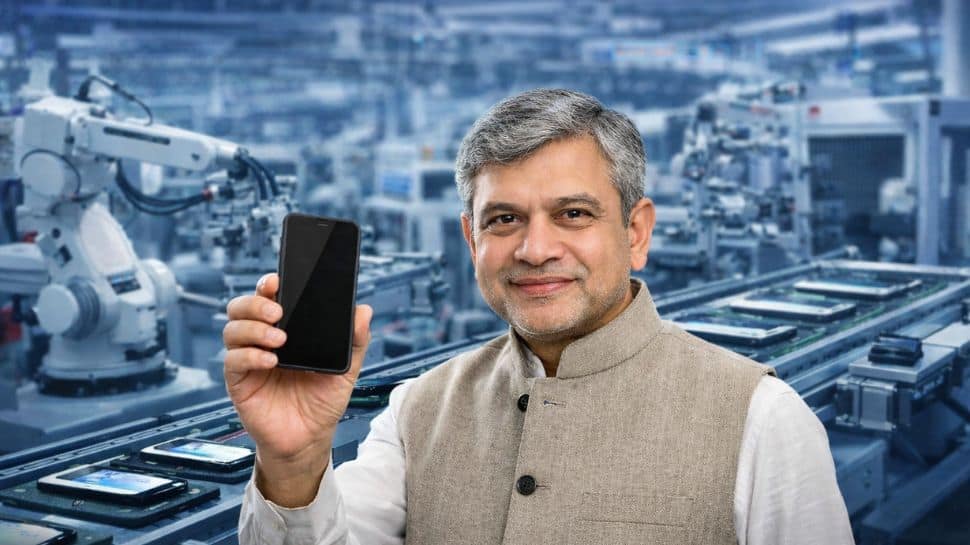
Goodbye to Chinese smartphone monopoly? India likely to launch domestic phone brands in 18 months | Technology News
Indian smartphone brands: In a bold and expected move, India is moving closer to launching its own mobile phone brands within the next 12 to 18 months, according to Union Electronics and IT Minister Ashwini Vaishnaw. He made the announcement while speaking at the World Economic Forum in Davos, Switzerland. This development comes as India builds a strong electronics supply network capable of supporting the local production of high-end devices. Experts say this is a major step toward reducing dependence on foreign smartphone makers and boosting domestic innovation. India has already become one of the global leaders in phone assembly and manufacturing. From just two mobile phone units in 2014, the country now has more than 300 production facilities. As of December 2024, more than 99% of phones sold in India were locally made, a sharp rise from 26% in 2014 -15. Add Zee News as a Preferred Source According to industry analysts, India’s electronics manufacturing sector could reach an estimated USD 300 billion by 2026, driven by government incentives and strong export growth. Indian mobile phone exports have surged significantly in recent years, reflecting rising global demand for “Made in India” devices. (Also Read: US exits WHO: From COVID-19 to anti-American narrative, what caused Trump to abandon world body) Government support for domestic brands Union Minister Vaishnaw explained that India’s mature electronics ecosystem now includes many suppliers of phone components, making it possible to build more than just assembled products. He said the groundwork is nearly complete for India to support end-to-end mobile phone brands, from design to production. Officials say political and economic support, including incentives for manufacturing and semiconductor production, will help local companies launch competitive smartphones. More choice for buyers If successful, India’s own phone brands could offer more choices for consumers and reduce reliance on imported smartphones. Analysts also believe this would create new jobs in design, research, and manufacturing. A domestic brand could also improve India’s position in the global tech market and encourage innovation tailored to local needs. This move supports India’s broader “Make in India” strategy and could give a strong boost to India’s developing technology sector.
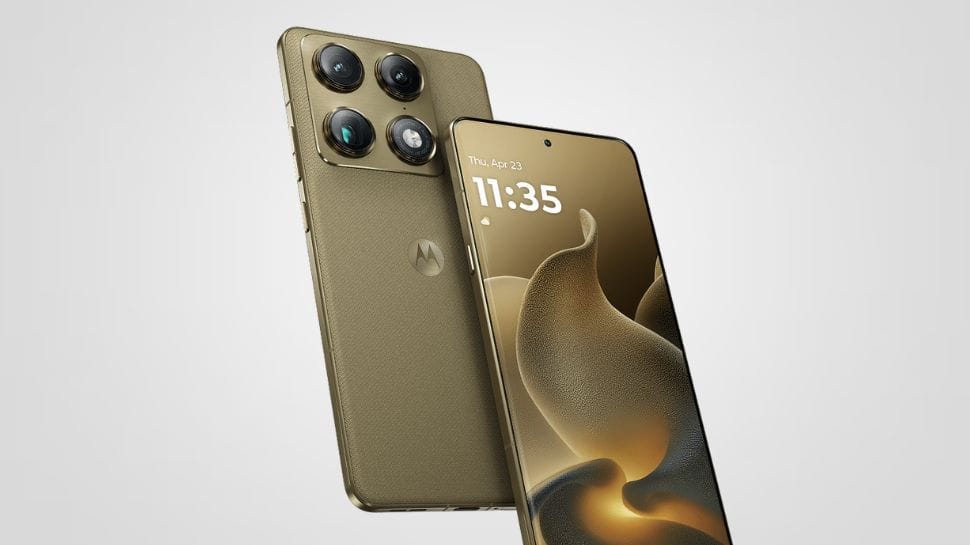
Motorola Signature launched in India with 5,200mAh battery: Check price, camera, features, display, and everything you can’t miss | Technology News
Motorola Signature launch: Motorola has officially launched its new flagship smartphone, the Motorola Signature, in India. The smartphone comes with high-end hardware, long-term software support, and a premium design, and is priced at Rs 59,999. The Motorola Signature will be available for purchase exclusively through Flipkart starting January 30. It is offered in two colour options – Pantone Carbon and Pantone Martini Olive. As part of the launch offers, customers using HDFC Bank or Axis Bank cards can avail an instant discount of Rs 5,000, bringing the effective price down to Rs 54,999. Motorola Signature: Camera and battery Add Zee News as a Preferred Source The smartphone features a triple rear camera setup, including a 50MP Sony Lytia 828 primary sensor with OIS, a 50MP ultrawide camera, and a 50MP periscope telephoto lens offering 3x optical zoom. On the front, it has a 50MP autofocus camera equipped in a punch-hole design. It is powered by a 5,200mAh battery with support for 90W wired fast charging, 10W wireless reverse charging, and 5W wired reverse charging. Motorola Signature: Display and performance The smartphone features a 6.8-inch FHD+ LTPO AMOLED display with a dynamic 165Hz refresh rate. The panel supports Dolby Vision and HDR10+ and can reach a peak brightness of up to 6,200 nits. For screen protection, it is equipped with Gorilla Glass Victus 2. The device is powered by Qualcomm’s Snapdragon 8 Gen 5 SoC, paired with LPDDR5X RAM and up to 1TB of UFS 4.1 storage. While the chipset is positioned below the top-tier processors in the segment, it is expected to deliver smooth performance for regular usage, multitasking, and gaming. (Also Read: Wire vs Wireless mouse: Which is faster and better for work and gaming? Features, Performance and speed compared) Motorola Signature: Build and audio The Motorola Signature is IP68 and IP69 certified for water and dust resistance and meets the MIL-STD-810H durability standard. It features a fabric-finished rear panel with an aluminium frame. Audio is handled by stereo speakers tuned by Bose, with support for Dolby Atmos. Motorola Signature: Long-term support The Motorola Signature runs Android 16 out of the box and includes Moto AI features focused on improving productivity and ease of use. Motorola has committed to providing seven years of Android OS and security updates, placing the device alongside brands like Samsung and Google in terms of long-term software support.
India’s digital payments boom: BHIM app records over 300 pc growth in monthly transactions in 2025 | Technology News
The BHIM Payments App witnessed a sharp surge in usage in the calendar year 2025, reflecting India’s growing shift towards UPI-based digital payments. Monthly transactions on the app rose more than four times during the year, highlighting increased trust, ease of use, and expanding payment options for users across the country. Data released by NPCI BHIM Services Limited shows that monthly transactions on the BHIM app grew from 38.97 million in January 2025 to 165.1 million in December 2025. This marks a growth of over 300 per cent in transaction volumes, with the platform recording an average month-on-month growth of around 14 per cent throughout the year. Add Zee News as a Preferred Source Along with higher volumes, the value of transactions also saw a strong jump. In December 2025, transaction value crossed Rs 20,854 crore. Compared to the same period last year, volumes increased by nearly 390 per cent, while transaction value rose by more than 120 per cent. This indicates that users are increasingly using BHIM not only for small daily payments but also for high-value transactions. Delhi emerged as one of the leading markets for the BHIM Payments App in 2025. The growth in the national capital was mainly driven by small-ticket, high-frequency transactions. Peer-to-peer payments accounted for 28 per cent of total transactions, followed by grocery purchases at 18 per cent. Fast-food outlets contributed 7 per cent, eating places 6 per cent, telecom services 4 per cent, service stations 3 per cent, and online marketplaces 2 per cent. The app also gained popularity for IPO mandate authentications and other high-value transactions, underlining its reliability for critical payment and authentication needs. Commenting on the performance, Lalitha Nataraj, Managing Director and CEO of NPCI BHIM Services Limited, said the BHIM Payments App has been designed to offer safe, convenient, and inclusive digital payments, even in areas with low internet connectivity.

Goa ties up with Musk’s Starlink to enhance digital connectivity, disaster resilience | Technology News
The Government of Goa on Thursday announced the signing of a Memorandum of Understanding (MoU) with Elon Musk-led Starlink Satellite Communications to strengthen digital infrastructure and connectivity across the state. Starlink’s partnership with the Department of Information Technology, Electronics & Communications (DITE&C) aims to explore advanced connectivity solutions to support digital inclusion, public infrastructure, coastal safety, and emergency response capabilities across the state. “The Government of Goa is committed to harnessing technology to drive digital transformation and improve the lives of our citizens. This partnership with Starlink is a significant step towards achieving our vision of a digitally empowered Goa,” Goa Chief Minister Dr Pramod Sawant said in a statement. Add Zee News as a Preferred Source “This partnership with Starlink will transform Goa’s governance landscape, leveraging modern technology to drive efficiency and responsiveness. By bridging the digital divide and enhancing public services, we will make Goa an even more attractive hub for investment, tourism, and talent, while ensuring our citizens reap the benefits of digital progress,” added Rohan Khaunte, Minister for ITE&C. Under the MoU, DITE&C and Starlink will explore opportunities for collaboration in key areas, including digital connectivity, disaster resilience, and smart governance in Goa. Starlink Satellite Communications Private Limited, the Indian entity for SpaceX’s Starlink satellite internet services, has expressed interest in piloting initiatives related to connectivity solutions. These include providing satellite broadband connectivity to select locations with limited terrestrial networks, such as government schools, healthcare facilities, and disaster management centres. The company will also enhance emergency preparedness, build capacity through training, and explore affordable tariff structures for socially beneficial use cases. Additionally, it will support smart governance, tourism, and coastal development by providing connectivity solutions for public infrastructure and services. Through this partnership, the Government of Goa reaffirmed its dedication to digital transformation by leveraging technology to drive innovation, economic prosperity, and citizen welfare, and by building a resilient digital ecosystem for a sustainable future. Starlink India is yet to start its satellite services in the country. The satellite-based internet service is expected to be available for Rs 8,600 per month, while new subscribers will need to purchase a hardware kit priced at Rs 34,000.
Wire vs Wireless mouse: Which is faster and better for work and gaming? Features, Performance and speed compared | Technology News
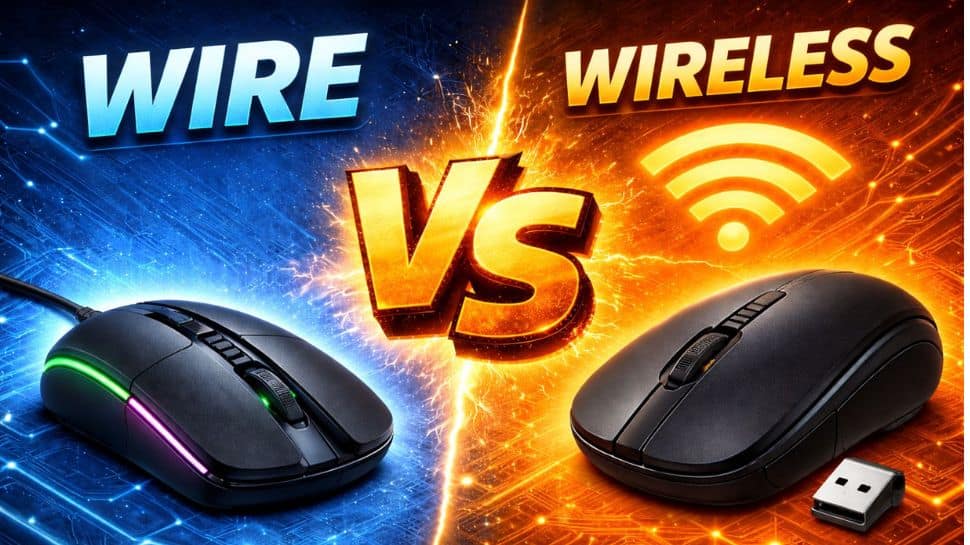
Wire vs Wireless mouse: In today’s world of computers and laptops, choosing the right mouse may seem like a casual choice, but it can make a big difference in how smoothly you work or play games. Wired and wireless mice are the two main options, and each offers different features. Experts say that both types are good, but the best choice depends on how you plan to use your mouse. A wired mouse connects to your computer with a cable. You plug it into a USB port, and it works right away without any additional setup. Because of this direct link, wired mice offer a steady and reliable connection at all times. On the other hand, a wireless mouse connects through Bluetooth or a small USB receiver plugged into your laptop. This means you don’t need to worry about cables, making it easy to carry and work around. Wireless mice may need to be paired before use and rely on batteries or internal rechargeable power. Add Zee News as a Preferred Source Which is faster? When it comes to speed and performance, wired mice usually have the edge. Because there is no wireless signal involved, data travels instantly from the mouse to the computer. This means lower latency – the tiny delay between moving the mouse and seeing the cursor move on screen. For most everyday tasks, such as browsing or office work, the difference between wired and wireless may be hard to notice. However, for activities like competitive gaming or detailed graphic design, that slight delay can matter. Many wired gaming mice also support very high polling rates, reporting position updates thousands of times per second. Wireless mouse technology has improved a lot in recent years, and high-end models now offer performance close to wired ones. However, wired mice typically still win in terms of raw speed and response. (Also Read: Ubisoft cancelled games: Six titles scrapped, including Prince of Persia: The sands of time remake; fans disappointed) Convenience and features Wireless mice have an edge in flexibility and comfort. Without a cable dragging on the desk, you get a cleaner setup and more freedom to move the mouse around, which is especially useful if you use a laptop or travel often. Wireless models also help reduce desk clutter and feel more modern. Many come with long battery life and can last weeks between charges. However, they do require battery management, and sometimes a lost dongle can be an issue. Wired mice, in contrast, never need charging and usually cost less. Their simple plug-and-use nature makes them dependable for everyday use without extra steps. Which one wins? There is no single best choice for everyone. If you prioritise precision, low latency, and constant performance, a wired mouse is the better option. But if you value mobility, desk tidiness, and convenience, a wireless mouse may suit you better. In short, the choice of mouse depends on how you use your computer or laptop – whether for work, gaming, or everyday tasks. Each type has its place, and both continue to improve with new technology.
Everything You Need to Know About How Python Manages Memory
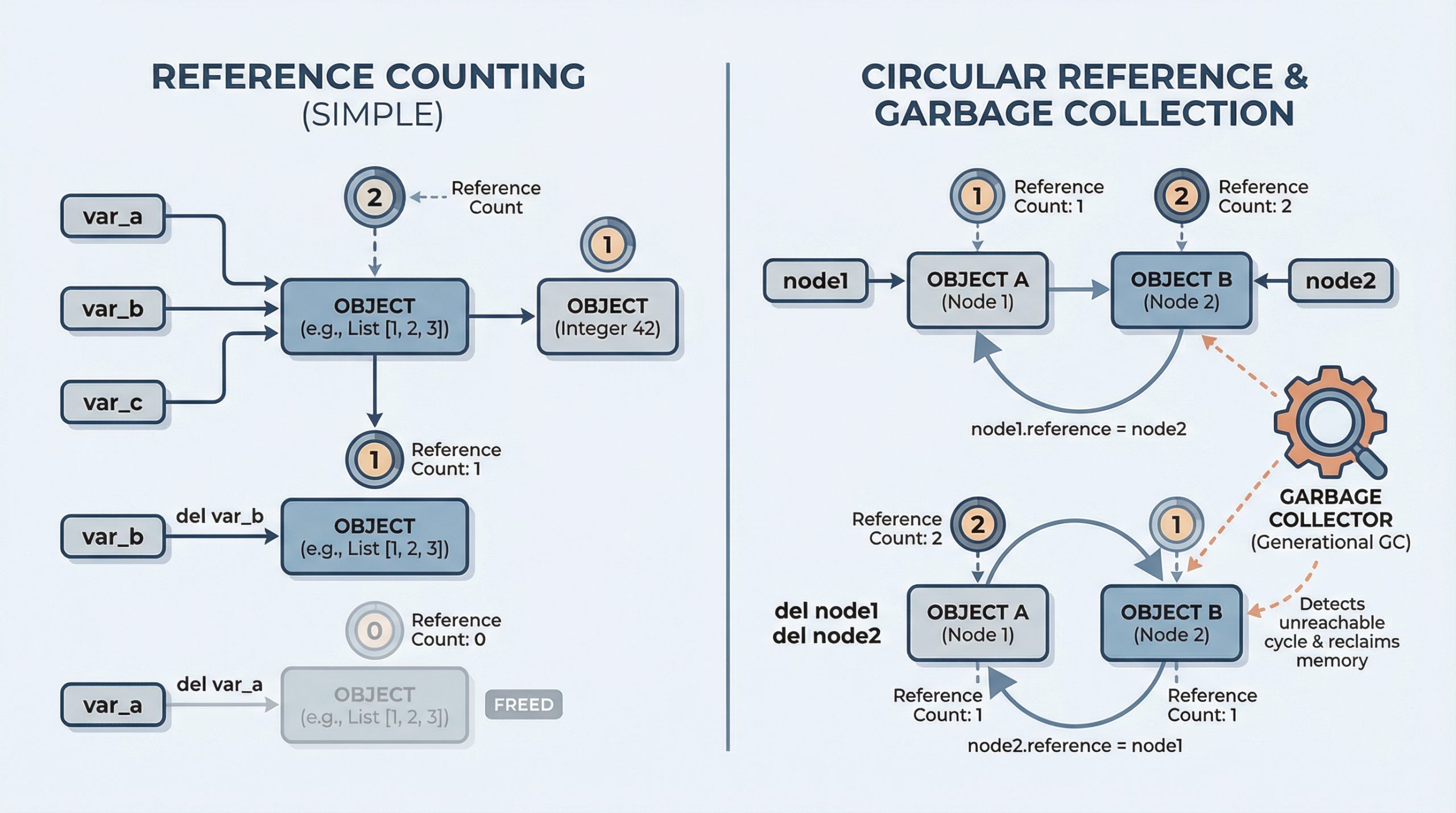
In this article, you will learn how Python allocates, tracks, and reclaims memory using reference counting and generational garbage collection, and how to inspect this behavior with the gc module. Topics we will cover include: The role of references and how Python’s reference counts change in common scenarios. Why circular references cause leaks under pure reference counting, and how cycles are collected. Practical use of the gc module to observe thresholds, counts, and collection. Let’s get right to it. Everything You Need to Know About How Python Manages MemoryImage by Editor Introduction In languages like C, you manually allocate and free memory. Forget to free memory and you have a leak. Free it twice and your program crashes. Python handles this complexity for you through automatic garbage collection. You create objects, use them, and when they’re no longer needed, Python cleans them up. But “automatic” doesn’t mean “magic.” Understanding how Python’s garbage collector works helps you write more efficient code, debug memory leaks, and optimize performance-critical applications. In this article, we’ll explore reference counting, generational garbage collection, and how to work with Python’s gc module. Here’s what you’ll learn: What references are, and how reference counting works in Python What circular references are and why they’re problematic Python’s generational garbage collection Using the gc module to inspect and control collection Let’s get to it. 🔗 You can find the code on GitHub. What Are References in Python? Before we move to garbage collection, we need to understand what “references” actually are. When you write this: Here’s what actually happens: Python creates an integer object 123 somewhere in memory The variable x stores a pointer to that object’s memory location x doesn’t “contain” the integer value — it points to it So in Python, variables are labels, not boxes. Variables don’t hold values; they’re names that point to objects in memory. Think of objects as balloons floating in memory, and variables as strings tied to those balloons. Multiple strings can be tied to the same balloon. # Create an object my_list = [1, 2, 3] # my_list points to a list object in memory # Create another reference to the SAME object another_name = my_list # another_name points to the same list # They both point to the same object print(my_list is another_name) print(id(my_list) == id(another_name)) # Modifying through one affects the other (same object!) my_list.append(4) print(another_name) # But reassigning creates a NEW reference my_list = [5, 6, 7] # my_list now points to a DIFFERENT object print(another_name) 1 2 3 4 5 6 7 8 9 10 11 12 13 14 15 16 17 # Create an object my_list = [1, 2, 3] # my_list points to a list object in memory # Create another reference to the SAME object another_name = my_list # another_name points to the same list # They both point to the same object print(my_list is another_name) print(id(my_list) == id(another_name)) # Modifying through one affects the other (same object!) my_list.append(4) print(another_name) # But reassigning creates a NEW reference my_list = [5, 6, 7] # my_list now points to a DIFFERENT object print(another_name) When you write another_name = my_list, you’re not copying the list. You’re creating another pointer to the same object. Both variables reference (point to) the same list in memory. That’s why changes through one variable appear in the other. So the above code will give you the following output: True True [1, 2, 3, 4] [1, 2, 3, 4] True True [1, 2, 3, 4] [1, 2, 3, 4] The id() function shows the memory address of an object. When two variables have the same id(), they reference the same object. Okay, But What Is a “Circular” Reference? A circular reference occurs when objects reference each other, forming a cycle. Here’s a super simple example: class Person: def __init__(self, name): self.name = name self.friend = None # Will store a reference to another Person # Create two people alice = Person(“Alice”) bob = Person(“Bob”) # Make them friends – this creates a circular reference alice.friend = bob # Alice’s object points to Bob’s object bob.friend = alice # Bob’s object points to Alice’s object class Person: def __init__(self, name): self.name = name self.friend = None # Will store a reference to another Person # Create two people alice = Person(“Alice”) bob = Person(“Bob”) # Make them friends – this creates a circular reference alice.friend = bob # Alice’s object points to Bob’s object bob.friend = alice # Bob’s object points to Alice’s object Now we have a cycle: alice → Person(“Alice”) → .friend → Person(“Bob”) → .friend → Person(“Alice”) → … Here’s why it’s called “circular” (in case you haven’t guessed yet). If you follow the references, you go in a circle: Alice’s object references Bob’s object, which references Alice’s object, which references Bob’s object… forever. It’s a loop. How Python Manages Memory Using Reference Counting & Generational Garbage Collection Python uses two main mechanisms for garbage collection: Reference counting: This is the primary method. Objects are deleted when their reference count reaches zero. Generational garbage collection: A backup system that finds and cleans up circular references that reference counting can’t handle. Let’s explore both in detail. How Reference Counting Works Every Python object has a reference count which is the number of references to it, meaning variables (or other objects) pointing to it. When the reference count reaches zero, the memory is immediately freed. import sys # Create an object – reference count is 1 my_list = [1, 2, 3] print(f”Reference count: {sys.getrefcount(my_list)}”) # Create another reference – count increases another_ref = my_list print(f”Reference count: {sys.getrefcount(my_list)}”) # Delete one reference – count decreases del another_ref print(f”Reference count: {sys.getrefcount(my_list)}”) # Delete the last reference – object is destroyed del my_list import sys # Create an object – reference count is 1 my_list = [1, 2, 3] print(f“Reference count: {sys.getrefcount(my_list)}”) # Create another reference – count increases another_ref = my_list print(f“Reference

WEF 2026: AI won’t replace human jobs, but augment human employees at scale, say experts | Technology News
Artificial intelligence would not replace human jobs but can only reshape work by automating tasks, said leading business executives from technology companies at the ongoing World Economic Forum 2026 in Davos. Kian Katanforoosh, Founder and Chief Executive Officer of Workera, said language matters when describing AI. “Personally, I’m not a fan of calling AI agents or co-workers,” he told a WEF session, arguing that AI excels at tasks but can’t outperform humans at “entire jobs.” Humans, by contrast, perform “hundreds of tasks at times.” “Predictions that AI would wholesale replace jobs have so far been wrong,” he added. Add Zee News as a Preferred Source Munjal Shah, co-founder and CEO of Hippocratic AI, agreed that AI will augment human employees at a massive scale rather than replace them. He forecast a future of “8 billion people and 80 billion AIs,” saying most systems will enable new use cases rather than replacing existing human roles. He pointed to an AI system that called thousands of people during a heatwave, guiding them to cooler locations and offering health advice. Getting it right required rigorous testing. “We have models that check models that check models,” he said. Kate Kallot, Founder and CEO of Amini, said AI firmly remains a “tool” that cannot make value-based decisions. It “can’t choose the best outcomes” because it doesn’t yet have the right inputs, Kallot said. Christoph Schweizer, CEO of BCG, said the experience of working with AI can feel like collaborating with a co-worker. “You are now in a reality where it feels like a co-worker, whether you call it that or not,” he said. Schweizer argued that success depends on how companies change their organizations, not just their tools. “They will succeed if they really change how their people work,” he said. He urged that AI be treated as “a CEO problem” that cannot be delegated. Enrique Lores, President and Chief Executive Officer of HP, urged balance in AI usage, with restraint in being more demanding of AI co-workers than of human employees. In HP’s call centres, AI sometimes gives the wrong answer; yet overall accuracy is higher than before, and customer satisfaction has improved, he added.