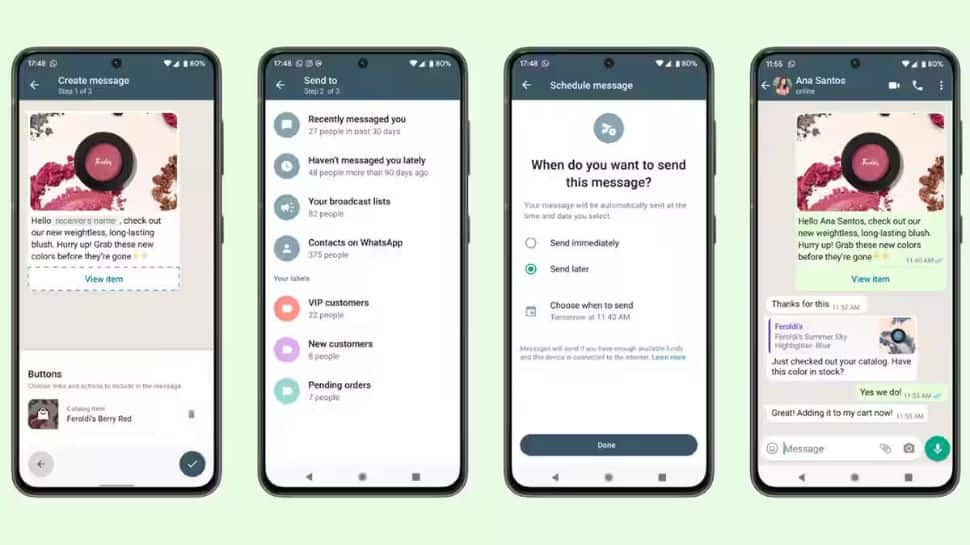
WhatsApp Users In India: Meta-owned platform has updated its WhatsApp Business messaging policy that will allow companies from regulated sectors such as real-money gaming and over-the-counter drugs to use the WhatsApp Business platform to send promotional messages to users in India. The change in WhatsApp’s Business messaging policy comes as Facebook parent Meta looks to accelerate monetisation from WhatsApp, its most expensive acquisition to date. Notably, the instant messaging app is currently the world’s most popular messaging app with over 2 billion daily active users across the world and India being its biggest market with over 500 million users. This new policy marks a notable change by allowing the platform to include certain restricted sectors, such as alcohol, in select countries. However, in India, promotional content related to alcohol remains banned. It is important to note that the WhatsApp Business app is aimed towards small businesses. Meanwhile, the WhatsApp Business platform is designed for medium to large businesses. Notably, the new policy also mandates that businesses ensure messages comply with legal age restrictions, geographic requirements, and regulatory standards through technical and organisational measures. They also cannot send messages to people under 18 years of age. India along with other countries or regions where activities such as gambling, games of chance, or related activities are prohibited, businesses must also ensure that their messages only include those activities that are lawful, the new policy states. Earlier, WhatsApp introduced new conversation categories- Utility, Authentication, Marketing, and Service — and revised its pricing model to charge businesses based on these categories reportedly.
Reliance Jio Introduces International Roaming Packs For Several Countries With Unlimited Incoming SMS, Local Calls –Check Full Benefits | Technology News
Mumbai: Telecom operator Jio has introduced country-specific packs roaming packs for destinations, such as the United Arab Emirates, Canada, Thailand, and Saudi Arabia. The key benefits and features are customers while in visit to these countries will receive seamless unlimited incoming SMS, outgoing calls include Local calls within the visited country and call back to India (call back to India includes Wi-Fi calling as well), incoming calls can be received from any country, including Wi-Fi calling. Customers will avail high-speed data and beyond Fair Usage Policy (FUP), which means once one has exhausted their data quota for the day, unlimited data at 64 kbps. Outgoing Local and rest of the world calls and SMS over Wi-Fi Calling are not allowed (To make calls/SMS, disable only Wi-Fi Calling in your device’s Settings.) The new country-specific packs include exclusive packs for go-to destinations across 24 countries of the Caribbean. The key features and benefits of Caribbean packs are, unlimited incoming SMS, outgoing calls include local calls within the country and call back to India and also rest of the world, additional inflight benefit with Rs 3851 pack, high-speed data and beyond Fair Usage Policy (FUP). In addition, Jio also offers exclusive packs for go-to destinations in 32 European countries. The features and benefits of the Europe pack include unlimited incoming SMS, outgoing calls include local calls within the country and call back to India (Call back to India includes Wi-Fi calling). Among other benefits are incoming calls can be received from any country, including Wi-Fi calling, additional Inflight benefit with Europe pack, high-speed data and beyond Fair Usage Policy (FUP).
iPhone 15 Sees Major Price Drop Before iPhone 16 Launch: Discount Details Inside | Technology News
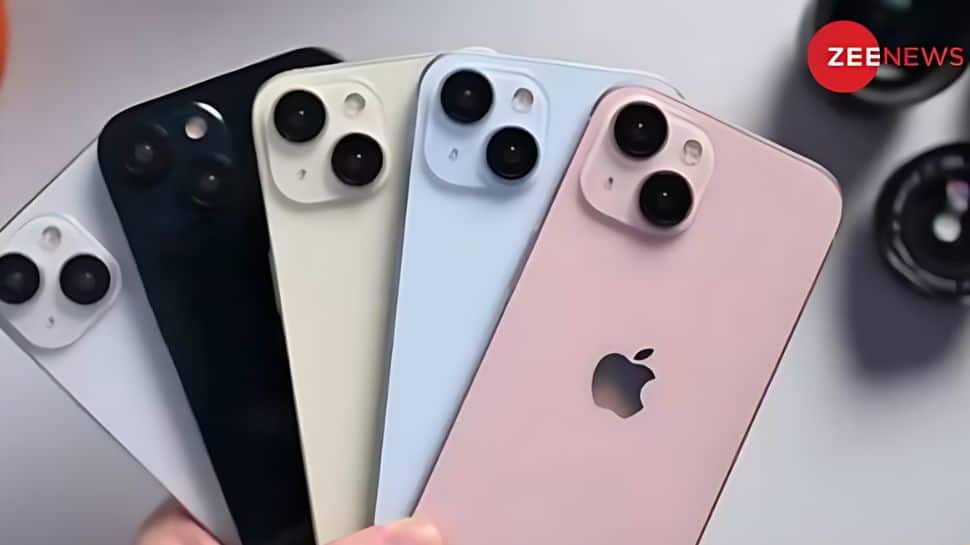
New Delhi: Apple is set to unveil its new iPhone 16 series just about a year after the iPhone 15 hit the market. While the release date for the iPhone 16 remains under wraps, anticipation is growing for the new features the devices will bring. In the meantime, the iPhone 15 is grabbing attention for its notable price drop on Flipkart during the Month-End Mobiles Fest which runs until August 26. The 128GB version of the iPhone 15 is currently available for RS 64,999 on Flipkart, down from Apple’s official price of Rs 79,600. This discount of Rs 14,501 is a significant offer on a device that was a flagship model just a year ago. Along with the direct discount, Flipkart is also offering an exchange deal that could cut the price by up to Rs 42,100, based on the condition of your old phone. Keep in mind, though, that the actual exchange value might be lower than the maximum advertised amount. This deal on the iPhone 15 does not include additional bank discounts from Flipkart. Buyers should consider making their purchase soon as prices and availability might change before the sale concludes. Early rumors about the iPhone 16 series indicate that the standard models will come with only minor updates, including a slightly bigger battery, a new chipset, and some small design tweaks. Given that the new models are expected to have higher prices, those who can afford to wait might want to hold off and see the full details of the iPhone 16 before buying.

Centre Cautions Citizens Not To Fall Prey To Fraudulent Calls Impersonating TRAI | Technology News
The Centre on Wednesday cautioned citizens not to fall prey to fraudulent calls impersonating officials from the Telecom Regulatory Authority of India (TRAI). There have been numerous instances where scammers, claiming to be from the telecom regulatory body, threaten people that their numbers will be blocked soon unless they give certain personal information. “It has been brought to the notice of TRAI that a lot of pre-recorded calls are being made to citizens claiming to be from the TRAI,” the regulatory body said. The TRAI further clarified that it does not initiate communication with customers regarding mobile number disconnection through messages or otherwise. “TRAI has also not authorised any third-party agency to contact customers for such purposes. Therefore, any form of communication (call, message or notice) claiming to be from TRAI and threatening mobile number disconnection should be considered a potential fraudulent attempt and must not be entertained,” it advised. The government also encouraged citizens to report suspected fraudulent communications through the Chakshu facility on the Department of Telecommunications’ Sanchar Saathi platform. “For confirmed instances of cybercrime, victims should report the incident at the designated cyber crime helpline number ‘1930’ or through the official website,” said TRAI. Moreover, the disconnection of any mobile number due to billing, KYC or misuse if any, is done by the respective telecom service provider (TSP). Citizens are advised to be vigilant and not panic to fall prey to suspected fraudsters. TRAI said they should cross-verify such calls by contacting the authorised call centres or customer service centres of the respective TSP. Meanwhile, the regulatory body has directed access service providers to take concrete measures to curb misuse of messaging services, effective from September 1. The telecom authority mandated them to migrate telemarketing calls starting with 140 series to the online distributed ledger technology (DLT) platform, latest by September 30, for better monitoring and control.
Samsung Introduces Music Identification In Circle To Search Feature | Technology News
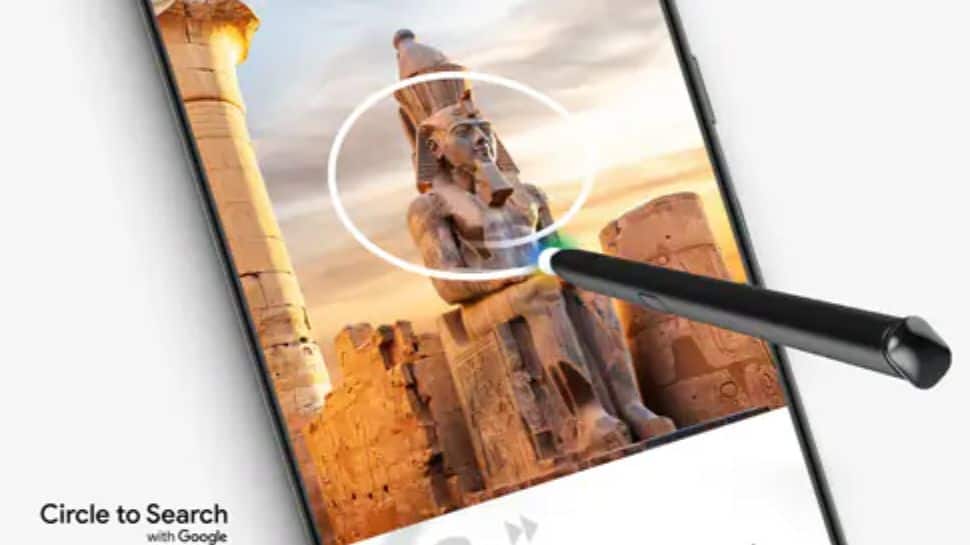
Washington: Samsung has expanded the capabilities of its Circle to Search feature by integrating music recognition technology, a move that enhances the functionality of its devices. According to GSM Arena, this new feature, akin to the popular music identification app Shazam, is now available on Samsung devices equipped with Circle to Search and running version 15.32.37.28 of the Google app. The music recognition feature allows users to identify music playing around them by simply tapping a new music note icon within Circle to Search. This functionality extends to music playing on the device itself, nearby environments, or even tunes that users sing or hum. According to GSM Arena, this update offers a built-in solution for music discovery, which could potentially diminish the need for standalone apps like Shazam. This new capability is part of a broader rollout managed by Google, which means that while it is available on devices with the specified app version, the feature’s availability may vary. The activation of this feature is controlled server-side by Google, and it may take some time for it to be enabled on all eligible Samsung devices. According to GSM Arena, Samsung’s Circle to Search, which was previously introduced on the company’s mid-range A series devices, now combines its search functions with the ability to recognize music, providing a seamless user experience. The integration of music recognition technology within Circle to Search represents a significant enhancement, leveraging existing features to deliver a new level of convenience for users. As Samsung continues to innovate and expand its device features, this addition might help enhance user experience through advanced technology and practical applications.
Vivo V40 Goes On First Sale In India WIth Zeiss Camera; Check Price And Introductory Offers | Technology News
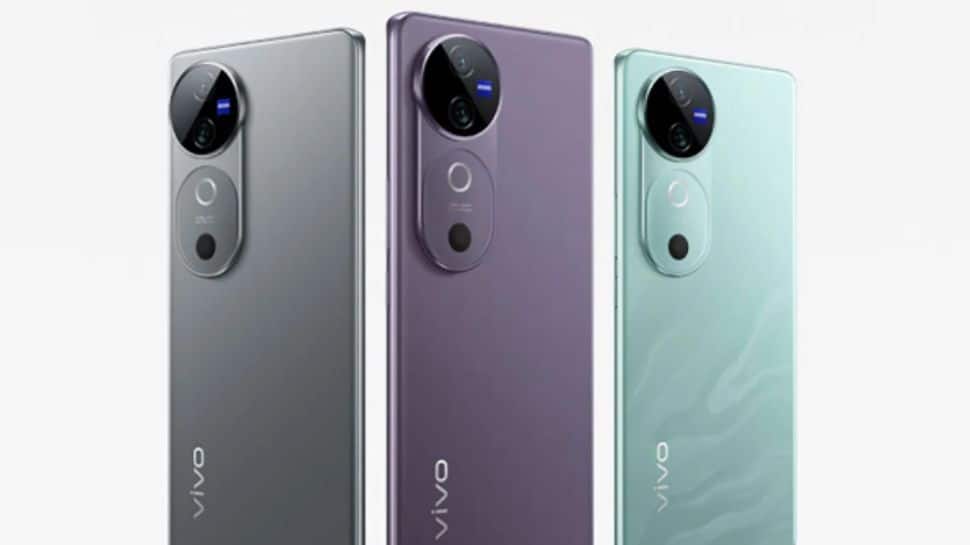
New Delhi: Vivo V40 Chinese smartphone brand Vivo has launched the mid-range Vivo V40 smartphone in India. Now, the Vivo V40 goes on sale in the country. The newly launched smartphone sports a camera system co-engineered with the German optics brand Zeiss. It offers a suite of artificial intelligence (AI) camera features for editing and enhancing images. The smartphone comes in three colour options: Ganges Blue, Titanium Grey and Lotus Purple. It is offered in 8GB RAM + 128GB, 8GB RAM + 256GB and 12GB RAM + 512GB storage models. Vivo V40 Price In India And Availability: The smartphone costs Rs 34,999 for the 8GB+128GB storage model. The 8GB+256GB variant carries a price tag of Rs 36,999 and Rs 41,999 for the 12GB+512GB version. The phone is now available in India through the Vivo India e-store, Flipkart, and select retail stores. Vivo V40 Introductory Offers In India Consumers can enjoy an instant 10% cashback on the purchase of the Vivo V40 smartphone. As part of the Vivo upgrade program, the company is offering up to 10% exchange bonus on trade-in deals with SBI, HDFC, Kotak Mahindra, IDFC First Bank cards, and more. Adding further, Vivo is offering a six months of free accidental and liquid damage coverage with smartphone purchases. For offline purchases, a twelve-month zero down payment option is available. Online shoppers can benefit from a no-cost EMI plan of up to six months. Vivo V40 Specifications: The phone sports a 6.78-inch full-HD+ (1,260×2,800 pixels) AMOLED display with 120Hz refresh rate and 4,500nits peak brightness. It runs on Funtouch OS 14 based on Android 14. It is loaded with a 5,500mAh battery with 80W wired fast charging support. It is powered by a 4nm Qualcomm Snapdragon 7 Gen 3 SoC. The smartphone packs a dual rear camera setup co-engineered with Zeiss including a 50-megapixel main camera with OIS and AF and a 50-megapixel wide-angle camera. For selfies and video chats, both handsets boast a 50-megapixel front camera. The smartphone supports 5G, Bluetooth 5.3, GPS, Beidou, Galileo, GLONASS, Wi-Fi, and a USB Type-C port.
Apple MacBook Air M3 Gets Huge Discount on THESE Platforms; Effectively Priced Under Rs 1 Lakh | Technology News
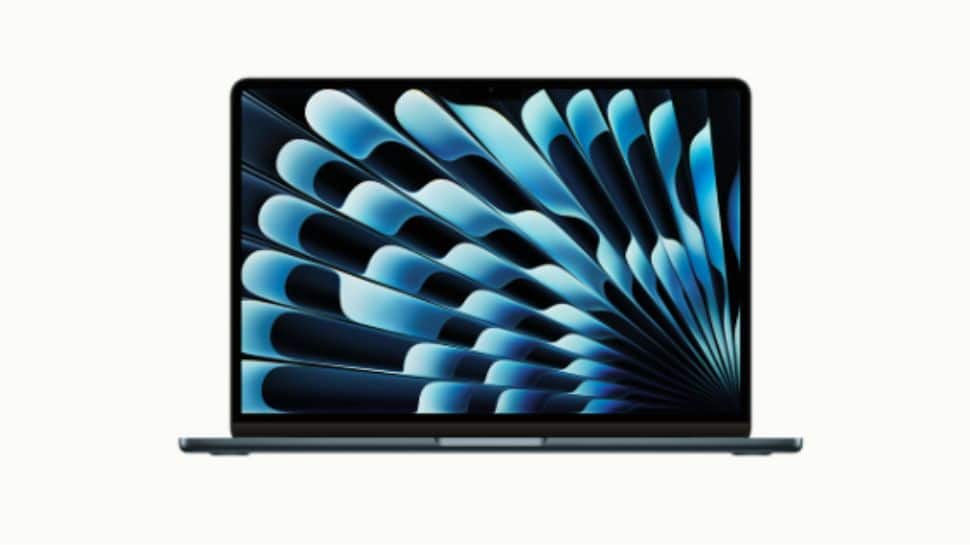
New Delhi: Apple recently launched the latest MacBook Air lineup in India earlier this year. The laptop is powered by M3 chipset. Within a few months of hitting the markets, the e-commerce giant Amazon, Flipkart and Vijay Sales are offering a massive discount on the laptop, making it available at an effective price of under Rs 1,00,000 in the ongoing Sale. Notably, the laptop enters the market at a starting price of ₹1,14,900. MacBook Air M3 Price Cut In India On Amazon: The MacBook Air M3 laptop is available for Rs 1,04,900 for the 8GB RAM and 256GB SSD variant. Consumers can also avail of an additional discount offer of Rs 5,250 on HDFC Bank 24-month debit card EMI, which will effectively drop the price to Rs 99,650. MacBook Air M3 Price Cut In India On Flipkart: The 13-inch laptop costs Rs 1,04,900 for the 8GB RAM and 256GB SSD model. Consumers can also avail an instant discount of Rs 10,000 for ICICI and SBI Bank credit card holders, which further reduces the price to Rs 94,900. There is also an additional Rs 5,000 exchange bonus for users exchanging old devices on certain models. MacBook Air M3 Price Cut In India On Vijay Sales: The Apple laptop is listed at a price of Rs 1,03,490 for the 8GB RAM + 256GB SSD after a discount of Rs 11,410. Consumers can also avail an instant Rs 10,000 discount for credit card users from ICICI and SBI Bank, which further reduces the price of the laptop to Rs 93,490. Apple MacBook Air M3 Specifications: The Apple watch features a 13-inch LED Liquid Retina display with a resolution of 2560 x 1664 pixels and a peak brightness of 500 nits. The laptop is a thin and light machine with a weight of just 1.24kg and support for a 1080P camera. It uses a 52.6-watt-hour Lithium Polymer Battery in the MacBook M3 with 18 hours of battery life.

Raksha Bandhan 2024: Blinkit Rolls Out New Feature, Send Rakhi From Abroad To Home In 10 Minutes | Netizens React | Technology News
New Delhi: As Raksha Bandhan is just one day away, Zomato-owned Blinkit has rolled out a new international orders feature for its users on the auspicious occasion of Raksha Bandhan 2024. The new international orders feature allows users in select countries to send gifts and Rakhis to their siblings in India for a limited time. Until August 19, customers living in the USA, Germany, Netherlands, Japan, France, and Canada can place orders on Blinkit to send Rakhis, traditional sweets, snacks, and other festive items to their siblings living in India. The Zomato-owned online grocery service will deliver these items in just 10 minutes. Raksha Bandhan special – we’ve switched on international orders on Blinkit till 19th August. Folks living abroad can now place orders on Blinkit to send Rakhis and gifts to their siblings in India and we’ll deliver in 10 minutes! Countries from where you can order – USA pic.twitter.com/Gmey0DYTjC — Albinder Dhindsa (@albinder) August 17, 2024 However, there is no official clarification on whether Blinkit will charge aboard customers extra or if the platform will deliver the goods normally. Earlier this month, Blinkit introduced another feature that lets you get passport-sized photos delivered to your doorstep in 10 minutes. This service is only available if you live in Delhi or Gurugram. There are mixed reactions from users on the internet after Blinkit rolled out the new Raksha Bandhan feature. While some users praised the service for its convenience. Furthermore, some users suggested that the offer could have been launched earlier. Why not Australia? has this beautiful functionality on and I order food for my parents regularly in Kolkata while staying in Melbourne. Makes me feel that little bit better . — Sayan Mitra (@sayan31102k17) August 17, 2024 kash meri bhi chacha ke tau ki beti ki nanad ki mausi ki ladki USA reh rhi hoti toh woh mujhe Rakhi bhej pati — (@pxroutray) August 17, 2024 Blinkit never disappoint us — Rohit Badhala (@rohit_badhala) August 17, 2024 Already ordered from Amazon from Japan. Could have started little earlier. Hope the offer comes again next year too! — priyanka dabra (@priyankadabra) August 17, 2024
Tech Showdown: Google Pixel 9 Pro XL Vs Samsung Galaxy S24 Ultra; Which Premium Phone Should You Buy? | Technology News
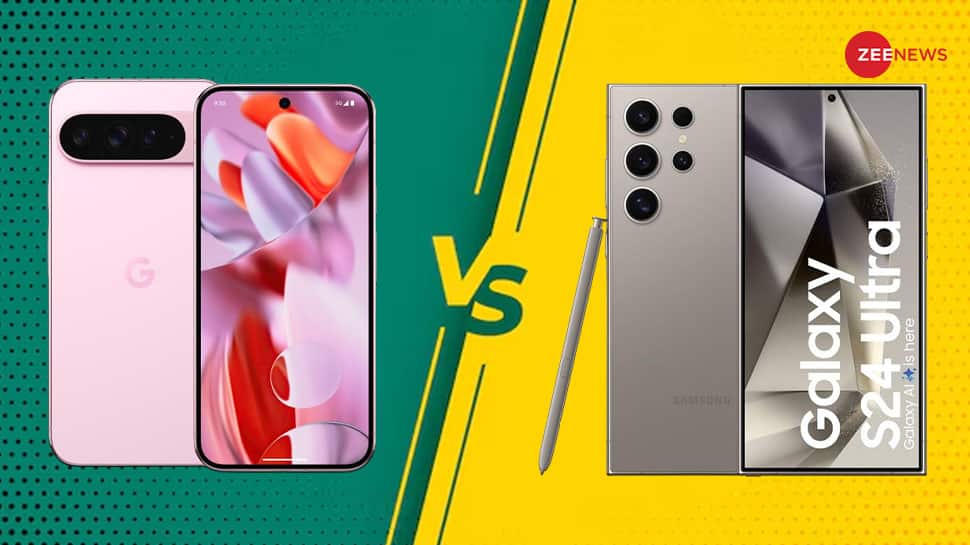
Google Pixel 9 Pro XL Vs Samsung Galaxy S24 Ultra: In the highly competitive premium smartphone market, the Google Pixel 9 Pro XL and the Samsung Galaxy S24 Ultra stand out as top contenders in the Rs 1 lakh price segment. Both smartphones promise stunning displays, unparalleled performance and state-of-the-art cameras but choosing the right smartphone can be a daunting task. But which premium phone truly justifies its hefty price tag? From display quality and camera prowess to battery life, this comparison will help you to decide which flagship smartphone deserves your attention without breaking the bank. Google Pixel 9 Pro XL Price And Colour Options In India: The smartphone is priced at Rs. 1,24,999 for the 16GB RAM + 256GB storage model. It comes in Obsidian, Porcelain, Hazel, and Rose Quartz colour options. Samsung Galaxy S24 Ultra Price And Colour Options In India: The smartphone is priced at Rs 1,29,999 for the base 12GB+256GB variant. For the 12GB+512GB, the handset carries a price tag of Rs 1,39,999 and the 12GB+1TB model costs at Rs 1,59,999. It is offered in Titanium Violet, Titanium Black and Titanium Grey colour options. Google Pixel 9 Pro XL Specifications: The smartphone features a 6.8-inch LTPO OLED Super Actua display with a 120Hz refresh rate, protected by Corning Gorilla Glass Victus 2, and boasts an impressive 2,000 nits of HDR brightness, with a peak brightness of 3,000 nits. It is powered by a 5,060mAh battery that supports 45W fast wired charging, fast wireless charging, and battery share, with the ability to reach 70 percent charge in just 30 minutes. The device is equipped with the Google Tensor G4 SoC and a Titan M2 security coprocessor. On the optics front, it offers a 50MP primary sensor, a 48MP ultra-wide sensor, a 48MP telephoto camera with 5x optical zoom, and a 42MP selfie camera. The smartphone runs on Android 14 out of the box and comes with a promise of 7 years of OS, security, and Pixel Drop updates. Samsung Galaxy S24 Ultra Specifications: The smartphone sports a 6.8-inch QHD+ Dynamic AMOLED 2X display with 1Hz to 120Hz refresh rate. The handset is loaded with a 5,000mAh battery that can support 45W wired charging but is sold separately. It is the first-ever Galaxy phone to feature a Titanium frame. The IP68-rated handset is equipped with Snapdragon 8 Gen 3 coupled with 12GB RAM and up to 1TB of storage. On the optics front, the phone comes with a 12MP ultrawide lens, a 50MP telephoto lens with 5x optical zoom and a 10MP telephoto sensor with 3x optical zoom. For selfies and video chats, there is a 12MP shooter on the front. Disclaimer: This comparison helps people choose smartphones wisely. It doesn’t favour any brand or model, just gives facts to help consumers understand their options better.
BSNL Offers Cheapest 2GB Per Day Data Plan With 1 Month Validity; Price, Benefits Compared Vs Airtel Plan | Technology News
BSNL vs Airtel: In the competitive market of mobile recharge plans offered by Jio, Airtel, Vi, and others, the focus has now shifted towards BSNL. While all other leading telecom companies have increased the prices of their mobile recharge plans, BSNL remains the only company offering plans at affordable rates without raising prices. Notably, while all the companies vie for the attention of cost-conscious customers, BSNL’s budget-friendly plan stands out against Airtel’s offerings by providing the cheapest 2GB per day data plan, making it a compelling choice for those looking to maximize their data usage without breaking the bank. BSNL 2GB Data Per Day at Rs 229 This recharge plan offers unlimited voice calls, including local and STD, to any network within the Home LSA and during national roaming, covering the MTNL network in Mumbai and Delhi. Users also get unlimited data, with speeds reduced to 80 kbps after consuming 2 GB per day, along with 100 SMS per day. As a special benefit, the plan includes access to a PWA gaming service for one month. Similar to Jio, Airtel, and Vi, this BSNL plan also provides complimentary SMS, allowing users to send 100 free SMS daily. Recharge Plans Comparison Plan BSNL 2GB Data Per Day at Rs 229 Airtel 2GB Data Per Day at Rs 379 Price Rs 229 Rs 379 Data 2GB per day, unlimited data with 80 kbps after limit 2GB per day, unlimited 5G data beyond plan limit in 5G network coverage areas Calls Unlimited voice calls (local, STD, national roaming on MTNL network) Unlimited local, STD, and roaming calls SMS 100 SMS per day 100 SMS per day Special Benefit Access to PWA gaming service for one month Free Hello Tunes on Wynk, access to Wynk Music (music, HelloTunes, podcasts) Validity Not specified One month Airtel 2GB Data Per Day at Rs 379 This plan provides 2GB of data per day along with unlimited local, STD, and roaming calls, all with a validity of one month at Rs 379. It also includes 100 SMS per day, ensuring you stay connected without any extra costs. An added benefit is the provision of unlimited 5G data, which can be used beyond your plan limit in areas with 5G network coverage. Additionally, the plan offers free Hello Tunes on Wynk, allowing you to set one tune per month, and access to Wynk Music, where you can enjoy a variety of music, HelloTunes, and podcasts.