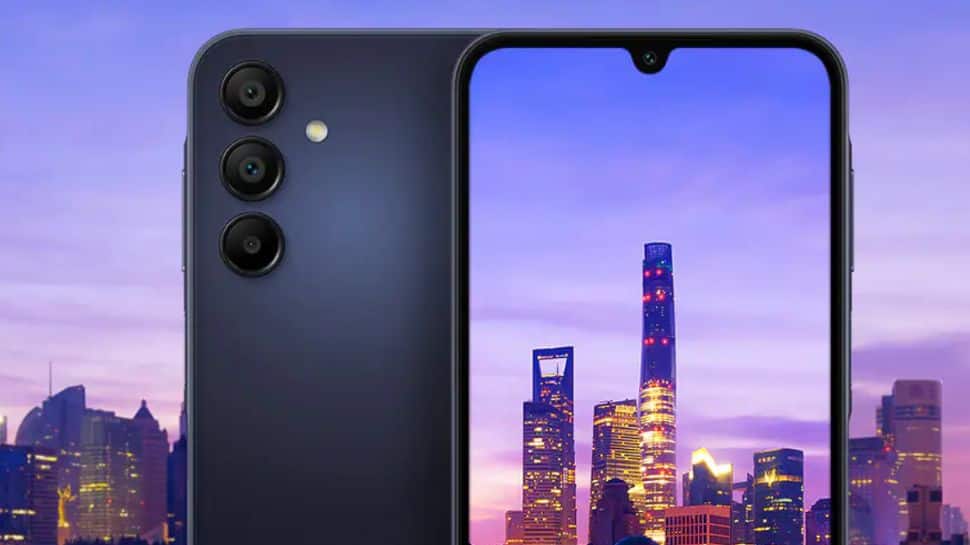
Samsung Galaxy A15 5G Price In India: Samsung launched the Galaxy A15 smartphone in the Indian market. Now, there’s good news for smartphone users. The South Korean giant has slashed the price of the Samsung Galaxy A15 smartphone in the country. The price of the smartphone has been reduced by Rs 2,500 for Indian consumers, months after its launch. It is offered in 6GB RAM + 128GB, 8GB RAM + 128GB, and 8GB RAM + 256GB storage variants and comes in Black, Blue, and Light Blue colour options. Samsung Galaxy A15 Price And Availability The smartphone is priced at Rs 17,999 for the 6GB RAM + 128GB variant. Meanwhile, the 8GB RAM + 128GB storage model is priced at Rs 19,499, and the 8GB RAM + 256GB variant costs Rs 22,499. After applying a discount of Rs 2,500, the prices for these models come down to Rs 15,499, Rs 16,999, and Rs 19,999, respectively. Notably, the Galaxy A15 5G smartphone will be available at a discounted price on Amazon, but the e-commerce platform highlights it as a “limited-time offer.” Samsung Galaxy A15 5G Display: The smartphone houses a 6.5-inch FHD+ Super AMOLED display with an Infinity U design, providing a smooth visual experience with a 90Hz refresh rate and 800 nits of peak brightness. Samsung Galaxy A15 5G OS: The device runs on the Samsung One UI 5, based on Android 13, ensuring a seamless and feature-rich user interface. Samsung Galaxy A15 5G Battery: The smartphone is powered by a 5,000mAh battery with 25W fast charging support. Samsung Galaxy A15 5G Chipset: The smartphone features an octa-core MediaTek Dimensity 6100+ chipset, delivering efficient performance. Samsung Galaxy A15 5G Camera: It packs a 50-megapixel primary camera, accompanied by a 5-megapixel secondary sensor and a 2-megapixel shooter. For selfies and video calls, a 13-megapixel front camera is available. Samsung Galaxy A15 5G Connectivity: The device features 5G, Wi-Fi, Bluetooth, GPS, a 3.5mm headphone jack, and a USB Type-C port. Samsung Galaxy A15 5G Sensors: The phone is equipped with various sensors, including accelerometers, a gyro sensor, a geomagnetic sensor, a light sensor, and a virtual proximity sensor, along with a fingerprint sensor for secure authentication.
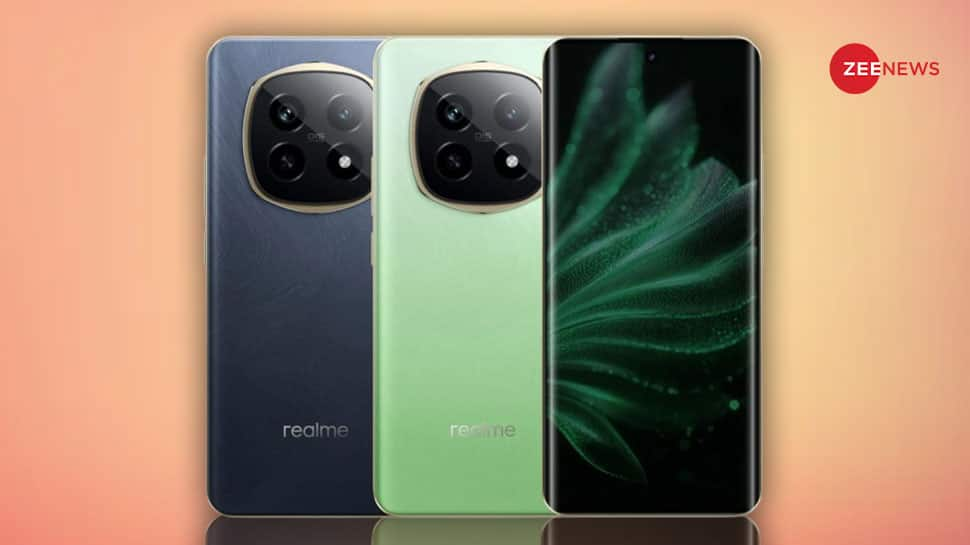
Realme P2 Pro 5G Launched With 120Hz Curved AMOLED Display: Check Price, Specs, And Offers | Technology News
New Delhi: Realme has officially launched the much-anticipated successor to the Realme P1 Pro in India. The phone offers an GT Mode for a better gaming experience and comes with an IP65 water and dust resistance rating, is powered by the Qualcomm Snapdragon 7s Gen 2 chipset and supports 80W fast charging for quick power-ups. Realme P2 Pro 5G Specifications: – 6.7-inch Full HD+ curved AMOLED display with 120 Hz refresh rate – Peak brightness of 2,000 nits with Corning Gorilla Glass 7i protection – Powered by Qualcomm Snapdragon 7s Gen 2 chipset with Adreno 710 GPU – Up to 12GB RAM and 512GB UFS 3.1 storage – Runs on Android 14-based Realme UI 5 – 5,200 mAh battery with 80W fast charging Realme P2 Pro 5G Price in India The Realme P2 Pro starts at Rs 21,999 for the base model with 8GB RAM and 128GB storage. The 12GB RAM with 256GB storage variant is priced at Rs 24,999, while the top variant with 512GB storage is available for Rs 27,999. The smartphone will be available from September 17 on realme.com, Flipkart, and in offline stores. Customers can also enjoy a Rs 2,000 coupon discount along with an additional Rs 1,000 bank discount on the mid and top variants. Realme P2 Pro 5G: Camera and Connectivity Features The Realme P2 Pro 5G is equipped with a 50MP primary camera featuring Optical Image Stabilization (OIS) for sharper photos, alongside an 8MP ultra-wide lens for capturing broader scenes. For selfies, it offers a high-quality 32MP front camera. The phone is also IP65 certified, providing dust and water resistance. In terms of connectivity, it supports 5G, Dual 4G VoLTE, Wi-Fi 6 (2.4GHz + 5GHz), Bluetooth 5.2, and comes with a USB Type-C port for fast charging and data transfer.
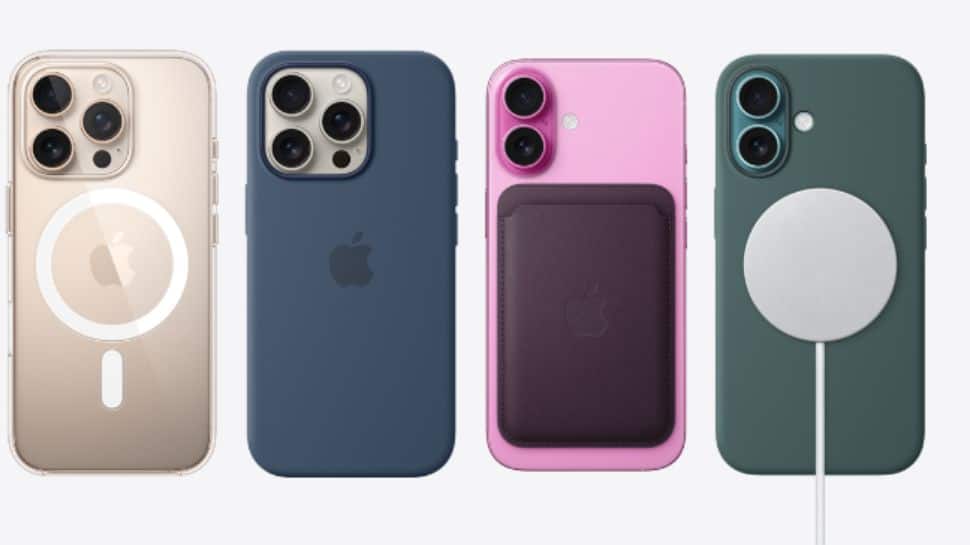
Apple Unveils New MagSafe Charger with 25W Wireless Charging for iPhone 16 Series; Check Availability | Technology News
Apple MagSafe Charger: Apple has introduced an updated MagSafe Charger designed to improve wireless charging speeds for the upcoming iPhone 16 series. Officially launched on September 9, the new charger promises charging rates comparable to traditional wired connections. This latest MagSafe Charger retains its familiar puck-shaped design and supports both Qi2 and Qi charging standards, according to GSM Arena. The highlight of this model is its ability to provide up to 25W wireless charging. As noted on Apple’s website, it can charge an iPhone 16 to 50% in approximately 30 minutes when paired with a 30W USB-C power adapter. This advancement enables the iPhone 16 to charge faster wirelessly compared to the iPhone 15 when using a standard 20W wired adapter, according to GSM Arena. However, the 25W charging speed is limited to the iPhone 16 series. Apple’s MagSafe Charger For Early iPhone Models For earlier models ranging from the iPhone 12 to the iPhone 15, the MagSafe Charger will offer a maximum output of 15W.For iPhones from the 8 to the 11 series, which lack magnetic compatibility, the charger will provide up to 7.5W, as per GSM Arena.The new MagSafe Charger is priced at USD 39/Pound 39/Euro 49 for the 1-meter version and USD 49/Pound 49/Euro 59 for the 2-meter variant. Apple’s MagSafe Charger Availability It is important to note that availability may vary by region, with some markets, including China, currently excluded from the rollout, as per GSM Arena. Adding further, the 30W USB-C Power Adapter, which is sold separately, is priced at USD 39/Pound 39/Euro 45. MagSafe Charger And Power Adapter Both the updated MagSafe Charger and the 30W USB-C Power Adapter are available for immediate shipping, ensuring that customers can have these accessories in hand ahead of the iPhone 16’s official release in just ten days. This new accessory reflects Apple’s efforts to innovate within its ecosystem, providing users with more efficient and versatile charging solutions as the company prepares for the latest addition to its smartphone lineup. (With Agency Inputs)
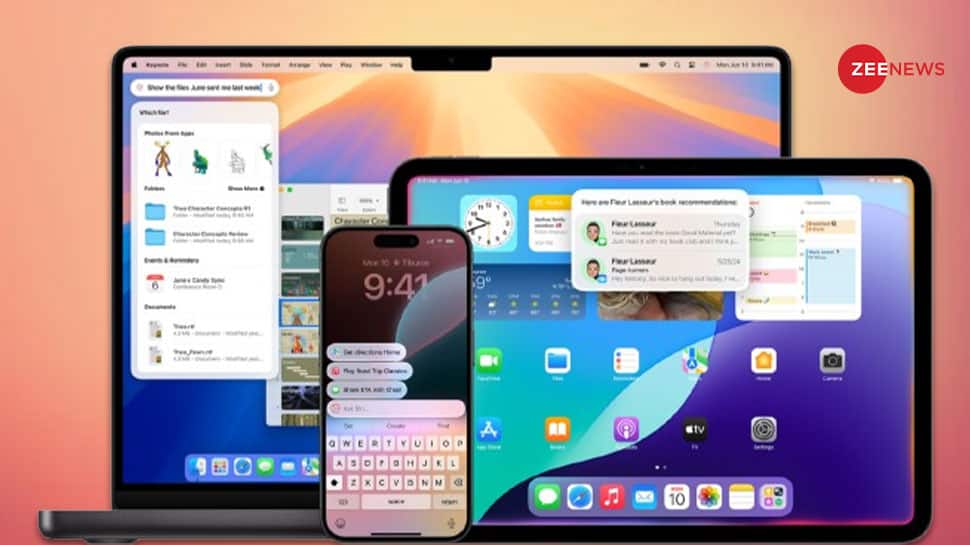
Apple Intelligence Set To Make Debut Next Month With iOS 18; Check Features, Compatible iPhone Models | Technology News
Apple Intelligence AI: Apple recently launched the latest iPhone 16 series at its ‘Glowtime’ event in California. During the launch, the tech giant showcased a suite of AI features that will be rolled out under the banner of Apple Intelligence. Apple Intelligence is the company’s personalized AI system, deeply embedded into iOS 18.1, iPadOS 18.1, and macOS Sequoia 15.1, with more features launching in the coming months. Notably, Apple has confirmed that iOS 18 will be available as a free software update starting Monday, September 16, for eligible iPhones. It is important to note that the first wave of Apple Intelligence features will be available in beta next month as part of iOS 18.1, with additional features rolling out in the months ahead. Apple Intelligence Compatible Devices: The iPhone 16 series will feature Apple Intelligence, but only select older devices will be compatible. These include models equipped with the A17 Pro chip or M1 to M4 SoCs, such as the iPhone 15 Pro, iPhone 15 Pro Max, iPads with the M1 chip or newer, and Macs powered by M1 or later processors. Apple Intelligence Available in These Languages : Apple Intelligence will initially launch in US English, with localized versions for Australia, Canada, New Zealand, South Africa, and the UK arriving in December. Support for additional languages, such as Chinese, French, Japanese, and Spanish, will be introduced next year. Apple Intelligence Features: Apple’s personalized AI system can perform many tasks, including assisting users in rewriting, proofreading, and summarizing text across apps like Mail, Notes, Pages, and third-party applications. This AI feature offers summarized notifications and prioritizes mail by detecting time-sensitive messages. It also generates summaries across the inbox. Users can now record, transcribe, and summarize audio directly within the Notes and Phone apps. When a call is being recorded, all participants are automatically notified. After the call ends, Apple Intelligence provides a detailed summary of the conversation. It offers Private Cloud Compute with remote processing, increasing privacy within an artificial intelligence ecosystem and empowering Siri with on-screen awareness, allowing it to understand and act on what’s displayed on your screen.
iPhone 16 Launch Price In India: Apple Discontinues THESE 3 Popular iPhone Models After Apple Event 2024; Details Here | Technology News
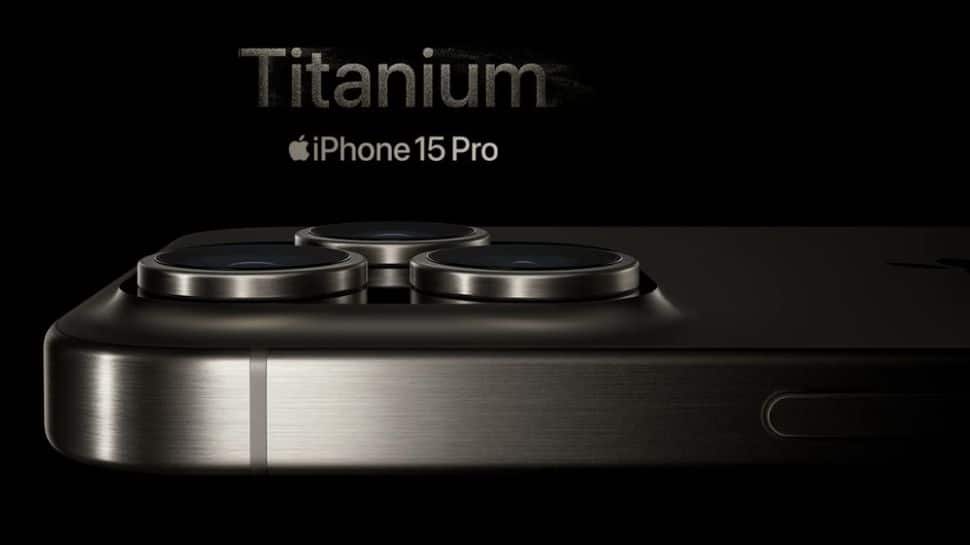
iPhone 16 Launch Price In India: Apple has discontinued three popular iPhone models after the launch of the iPhone 16 series in California, along with the AirPods 4 and Watch Series 10, at its “Glowtime” event on September 9. This decision was announced during the 2024 mega event, leaving users shocked after the iPhone 16 Series launch. The three models that have been discontinued include the iPhone 13, iPhone 15 Pro, and iPhone 15 Pro Max. The new iPhone 16 Pro and iPhone 16 Pro Max models will replace the iPhone 15 flagship. Apple Discontinues iPhone 15 Pro Models, iPhone 13 The iPhone 15 Pro, 15 Pro Max, and iPhone 13 are now unavailable on Apple’s website. However, their sales will continue until stocks run out on e-commerce websites and in retail stores. It is important to note that the prices of the base iPhone 15 and iPhone 14 models have been reduced by Rs 10,000. (Also Read: Apple iPhone 16 Launch: iPhone 15, iPhone 15 Plus, iPhone 14, and iPhone 14 Plus Get Massive Discounts; Check New Price) Apple Discontinues iPhone 14 Pro, iPhone 14 Pro Max, iPhone 13 Plus Earlier, the tech giant also stopped selling the iPhone 14 Pro, iPhone 14 Pro Max, and iPhone 13 Plus after the launch of the iPhone 15 series. Adding further, the sale of the iPhone 13 Pro and Mini models was halted, leaving only the base model available, which has now also been discontinued following the iPhone 14 launch. iPhone 16 Launch Price in India: In India, the iPhone 16 is priced at Rs 79,900, while the iPhone 16 Plus is available for Rs 89,900. The iPhone 16 Pro starts at Rs 1,19,900, and the top-tier iPhone 16 Pro Max is priced at Rs 1,44,900.

From Seas to Silicon: Ajay Tewari’s Inspiring Journey of Leadership, Innovation, and Success | Technology News
Ajay Tewari’s remarkable transition from a Merchant Navy Officer to a distinguished entrepreneur is a testament to resilience, innovation, and strategic leadership. After an impressive 11-year career in the marine industry, where he traveled to over 60 countries, Ajay made a bold move into the world of entrepreneurship in 1999. With a vision to make a significant impact and share success through innovative practices, he co-founded smartData Enterprises, an IT business consultancy firm. Despite having a limited technical background, Ajay’s focus on assembling the right talent and leadership transformed the company from a small team of four into a global workforce of over 1,000 employees across India, Australia, and the U.S. Transformative Leader | Entrepreneur | Innovator Over the past 25 years, Ajay has steered smartData to become a leading custom IT business consultancy. His exceptional business acumen and people management skills have been pivotal in driving the company’s growth. Serving diverse industries including healthcare, retail, and EdTech, smartData leverages cutting-edge technologies such as AI, Data Analytics, and IoT. Ajay’s leadership is centered on creating value for both clients and employees, with customer satisfaction as the core of smartData’s mission. His commitment to mutual success has been the driving force behind the company’s continuous growth and innovation. Driving Growth through Innovation and Customer Satisfaction Ajay’s strategic approach emphasizes Customer-Centricity, Innovation, and Continuous Learning. Under his leadership, smartData has been instrumental in supporting startups and SMEs, offering not only technical solutions but also valuable business consultancy. Ajay underscores the necessity of staying ahead in the rapidly evolving tech landscape by continually enhancing smartData’s offerings, utilizing the latest technologies, and maintaining a customer-first approach. Mentorship and Community Involvement Beyond his role at smartData, Ajay is a founding member and former president of The Indus Entrepreneurs (TiE) Chandigarh chapter, where he actively mentors aspiring entrepreneurs. His advice to the next generation is to stay true to their core beliefs and original ideas. Ajay’s dedication to mentorship highlights his commitment to supporting new businesses and contributing to the entrepreneurial community. As smartData INC celebrates its 25th anniversary on 2nd August 2024, the milestone reflects a journey marked by nostalgia and forward-looking aspirations. Employees from all branches came together to commemorate the company’s achievements, engage in interactive sessions, and envision a future of collective success. The celebrations symbolized unity and inspired the team to strive for even greater accomplishments in the years ahead.
iPhone 16 Series Launching In India Today: Where To Watch Livestreaming? Expected Price In India | Technology News
New Delhi: Apple enthusiasts waiting eagerly for the launch of the Phone 16, iPhone 16 Plus, iPhone 16 Pro and iPhone 16 Pro Max in India will get all the updates regarding the much anticipated phone models today. Apple’s most anticipated product launches themed “Its Glowtime” is all set to kick off today. Apple Its Glowtime event: How To Livestream You can watch the Apple Event directly at the company’s https://www.apple.com/apple-events/. Alternately, the event is also live on Apple’s YouTube channelhttps://www.youtube.com/live/uarNiSl_uh4 and Apple TV app. Apple iPhone 16 Event Official Launch Date: Check India Timings Apple said that people can watch the Apple event on 9 September at 10:30 PM IST. Check expected India Prices of each variant iPhone 16 , as suggested in the leaked report Meanwhile, the price of the iphone 16 series has been leaked ahead of its launch. Apple Hub has recently leaked the prices of the iPhone 16 series, although there is no official confirmation from the company. iPhone 16 base model: $799 Approximately Rs 67,100) The iPhone 16 Plus: $899 Approximately Rs 75,500 iPhone 16 Pro: $1,099 Approximately Rs 92,300 iPhone 16 Pro Max: $1,199 Approximately Rs 1,00,700 Meanwhile, we had also quoted media reports that, the company might also showcase the iPhone SE 4. A Bloomberg report has suggested that a host of Apple products –including the iPhone SE 3 — due for an upgrade are thin on their stocks. Bloomberg has indicated that iPhone SE 3 could well have its successor –the iPhone SE 4 –being announced. However, an Android Authority report, on the contrary claimed that the chances of debuting of the iPhone SE 4 are slim. The report indicated at March or April 2025 launch date instead. Expected Product Launches during Apple Glowtime Event On September 9 The special Apple event will be held on September 9 during which the company is expected to unveil all the above mentioned four models of in the iPhone 16 series. Alongside, Apple is also expected to launch the Watch Series 10, Watch Ultra 3, Apple Watch SE in an affordable range, AirPods 4 Reports say that Apple is also slated to confirm the rollout date of iOS 18 coupled with software updates for its devices at the Glowtime event. IANS quoting reports said, “the iPhone 16 lineup will be Apple’s flagship rival to the new Pixel 9 series and Samsung Galaxy Z Fold devices. Apple Intelligence (AI) will be a huge leap for Apple device ecosystem at the event hosted by its CEO Tim Cook. Among the big changes coming to the iPhone 16 and 16 Plus is expected to be a switch to a vertically-aligned camera system on the back.” It is expected that the iPhone 16 Pro and 16 Pro Max phones may get bigger screens, featuring a new bronze colour. In line with the iPhone 15, all the four models of the iPhone 16 might have the Action Button and a new button dedicated to capturing photos and videos. IANS further quoting sources said, the ‘Make in India’ iPhone 16 Pro and 16 Pro Max models available in the country right after the global launch this fall. The India-assembled Apple devices will be available within 1-2 months of the global launch in partnership with leading manufacturer Foxconn’s facility in Sriperumbudur, Tamil Nadu. The iPhone 16 is set to be made available on the first day of global sales in India, just like last year when iPhone 15 arrived in the domestic market on the very first day of the global sale. It will be shortly followed by iPhone 16 Plus models, sources told IANS. With Agency Inputs
iPhone 16 India Launch: When and Where to Watch Apple’s ‘Glowtime’ Event Live; Check Timings and Expected Specs | Technology News
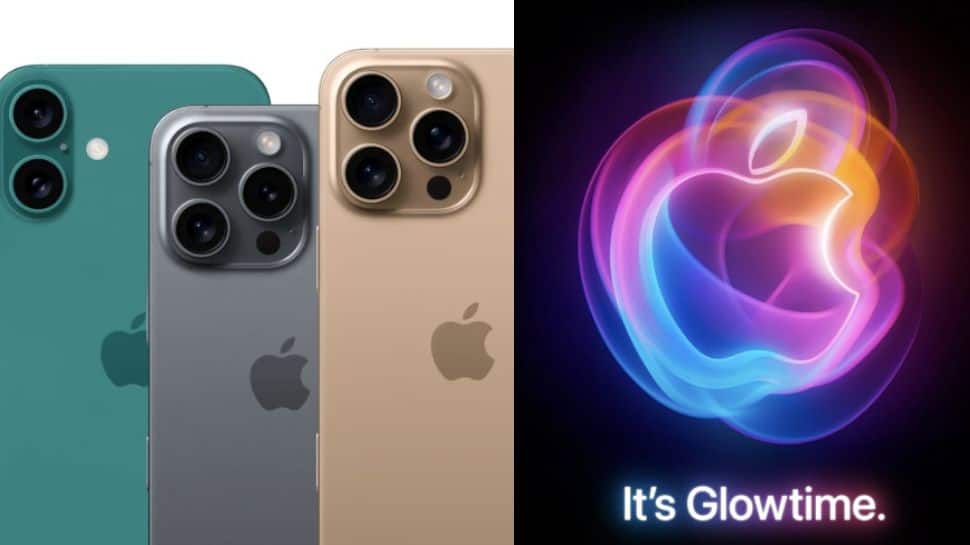
iPhone 16 India Launch: Apple is set to launch the highly anticipated iPhone 16 series in India during its ‘It’s Glowtime’ event in California tomorrow, on September 9. The Cupertino-based tech giant is likely to unveil its latest products, including the iPhone 16 series and the Apple Watch Series 10. Now, iPhone users and tech enthusiasts are eagerly waiting to see what new features and innovations Apple has in store for its next-generation devices. The iPhone 16 series is expected to grab the spotlight at the 2024 Apple event. This series includes the iPhone 16, iPhone 16 Plus, iPhone 16 Pro, and iPhone 16 Pro Max. Apart from this, Apple is expected to reveal the release dates for its upcoming software updates alongside the hardware announcements. These software updates include iOS 18, iPadOS 18, tvOS 18, watchOS 11, visionOS 2, and macOS Sequoia. Apple has just ANNOUNCED the next #AppleEvent September 9th, 10 a.m. PDT Here’s EVERYTHING we can expect. A Thread #iPhone16 #iPhone16ProMax pic.twitter.com/R92dIytHkk — iGeeksBlog #AppleEvent (@igeeksblog) August 27, 2024 Apple iPhone 16 Launch Event: When and Where to Watch Apple’s mega event is scheduled to take place at the company’s headquarters, Apple Park, in Cupertino, California. The event will kick off at 10 a.m. PT (10:30 p.m. IST), with a global audience tuning in virtually. Apple fans can watch the livestream on Apple’s website, the Apple YouTube channel, or via the Apple TV app. What’s New in iPhone 16 Series Specifications (Expected) The iPhone 16 Pro and iPhone 16 Pro Max are anticipated to feature larger displays, measuring 6.3 inches (up from 6.1 inches) and 6.9 inches (up from 6.7 inches), respectively. Apple is rumored to incorporate new Border Reduction Structure (BRS) technology in the Pro models, which could lead to slimmer bezels compared to last year’s versions. The iPhone 16 Pro series is expected to be powered by the A18 Pro chipset, while the standard iPhone 16 models may use the A18 chipset with slightly lower clock speeds. Additionally, the devices are expected to come with a 4,676mAh battery. iPhone 16 Series India Price (Expected): The iPhone 16 series may come with a lower price tag in India compared to the iPhone 15, thanks to a reduction in the basic customs duty on mobile phones from 20 per cent to 15 per cent. The iPhone 16 is expected to be priced around Rs 67,000. The iPhone 16 Plus could cost approximately Rs 75,500, while the iPhone 16 Pro is estimated to be available for Rs 92,300. For those eyeing the top-of-the-line model, the iPhone 16 Pro Max is anticipated to be priced at Rs 1,00,700.

Want To Play YouTube Videos In Background Without Paying For Premium? Here’s How On iPhones And Android | Technology News
New Delhi: YouTube is incredibly popular in India especially for streaming music and audiobooks. However, one common frustration is that videos pause when you minimise the app or switch to another one. This inconvenience often drives users to consider upgrading to YouTube Premium which offers the handy feature of background playback which lets you continue enjoying content without interruptions. Did you know that there’s an easy way to keep YouTube videos playing in the background without spending any money? This tip is particularly useful since Google has recently raised the price of YouTube Premium. Plus, you won’t need any third-party apps to make it work. Here’s how to play YouTube videos in the background on Android without premium? – Open Google Chrome: Launch the Chrome browser on your phone or tablet. – Go to YouTube: Visit the YouTube website on the browser. – Switch to Desktop Mode: Tap the three-dot menu in the top right corner and select “Desktop site.” – Play Your Video: Open the video you want to watch and let it start playing. – Minimise the Browser: Tap the home button to minimise Chrome. – Access Notification Panel: Swipe down to open the notification panel. – Resume Playback: Click the play button in the playback notification. YouTube video will now play in the background and allow users to use other apps while continuing to enjoy your content. Here’s how to play YouTube videos in the background without premium on iOS: – Open Google Chrome: Launch Chrome on your iPhone or iPad. – Play the Video: Open the video on YouTube and play it in fullscreen. – Minimise Chrome: Press the home button or swipe up to minimise the browser. – Launch Control Center: Swipe down from the top-right corner of the screen. – Resume Playback: Tap the play button in the Control Center to resume the video in the background.
OnePlus 12R Smartphone Gets Massive Discount On THIS Platform; Check Specs, Discounted Price | Technology News
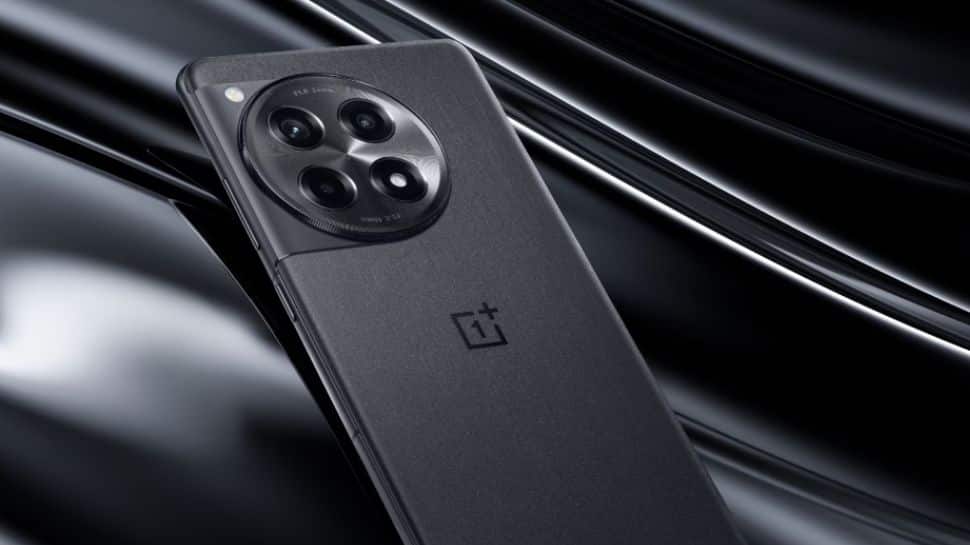
OnePlus 12R Discount Price: Chinese smartphone brand OnePlus launched the OnePlus 12R in the Indian market in January with a starting price of Rs 39,999. Now, the smartphone receives massive discounts almost 8 months after its launch. The handset is offered in Iron Gray and Cool Blue colour options. It comes in 8GB+128GB and 16GB+256GB storage variants. OnePlus 12R Price And Bank Offers The base model with 8GB RAM and 128GB storage is priced at Rs 39,999, while the 16GB RAM and 256GB storage option is available with a price tag of Rs 45,999. Currently, the OnePlus 12R is listed at Rs 39,998 for the 8GB+128GB storage variant on Amazon. Moreover, the company is offering an instant discount of Rs 2,000 available through a coupon that can be applied on the product page. Adding further, customers will also get a Rs 2,000 discount when they make a transaction via ICICI Bank cards, bringing the effective price of the device down to Rs 35,998. OnePlus 12R Specifications: The newly launched smartphone features a 6.78-inch LTPO AMOLED display with a 120Hz refresh rate. It is powered by a Snapdragon 8 Gen 2 chipset and Gorilla Glass Victus 2 protection. The triple rear camera of the OnePlus 12R includes a 50MP primary sensor, an 8MP ultra-wide-angle lens, a 2MP macro lens, and a 16MP front camera. The OnePlus 12R is equipped with a 5,500mAh battery with 100W fast charging, marking the largest-ever battery in the OnePlus smartphone. The latest handset runs on Android 14-based ColorOS 14.0 out-of-the-box. Adding further, the OnePlus 12R smartphone offers IP64 water and dust resistance, Wi-Fi 7, Bluetooth 5.3, NFC, stereo speakers with Dolby Atmos, and a USB Type-C port.