
In today’s fast-paced world, where digital distractions and daily stress dominate our lives, many seek deeper meaning and inner fulfillment. While yoga is often associated with physical postures, its true essence lies in spiritual wisdom, guiding practitioners toward self-discovery and peace. Unveiling One’s True Self Yoga teaches that we are not just our bodies or minds but eternal spiritual beings. Understanding this brings clarity, purpose, and resilience in facing life’s challenges. As Jagad Guru Siddhaswarupananda Paramahamsa, founder of the Science of Identity Foundation, explains: “You are the eternal spiritual soul (atma) who is only temporarily in a material body.” Embracing this perspective transforms our daily experiences, fostering self-awareness and deeper connections. Connecting with the Divine A core principle of yoga is realizing our intrinsic connection with the Supreme Soul, or God. Through bhakti yoga (devotion) and karma yoga (selfless service), we cultivate unconditional love and purpose-driven living. As Jagad Guru Siddhaswarupananda Paramahamsa states: “God loves you unconditionally. My purpose is to help you realize this truth and awaken your natural love for God.” This realization nurtures compassion, humility, and a spirit of service in everyday life. Living Yoga Through Service Karma yoga teaches that selfless action leads to spiritual growth. Whether teaching, caregiving, or serving others, performing duties with sincerity and love transforms mundane tasks into spiritual practice. Research from Harvard’s Human Flourishing Program supports this, showing that purpose-driven work enhances happiness and reduces stress. Embracing Spirituality in Daily Life Contrary to misconceptions, spiritual growth doesn’t require withdrawing from responsibilities. Instead, it’s about integrating selflessness and mindfulness into daily life. As Jagad Guru Siddhaswarupananda Paramahamsa advises: “No matter your occupation, you can apply the principles of karma yoga. What matters is your attitude of selfless service.” By shifting our mindset, we find fulfillment, deepen relationships, and positively impact others. Embarking on a Spiritual Journey Yoga is more than a practice—it’s a path to self-discovery. Through meditation, reflection, and service, one uncovers a reservoir of peace and purpose, enriching their life and the world around them.
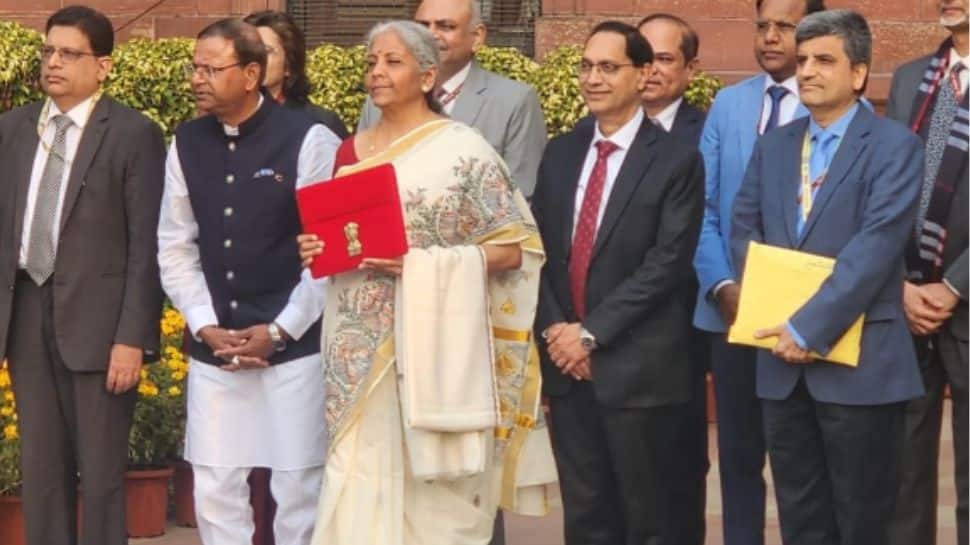
Budget On Smartphone: How To Watch FM’s Budget Speech Live On Android And iOS Devices For Free | Technology News
Budget 2025: Finance Minister Nirmala Sitharaman is set to present the Union Budget for the financial year 2025-26 today, February 1, at 11:00 AM in the Lok Sabha. This marks her eighth budget presentation and the second under the Narendra Modi-led NDA 3.0 government. The Budget session of Parliament, which began on January 31 with President Droupadi Murmu’s address, will be held in two parts. The first session will run until February 13, while the second is scheduled from March 10 to April 4. If you are planning to catch updates and access documents related to Budget 2025, taxpayers can download the Union Budget FY 2025-26 mobile app from the government’s official website, www.indiabudget.gov.in. Notably, the app is available on both the Google Play Store for Android and the Apple App Store for iOS. The Budget 2025 speech will be broadcast across various platforms, making it accessible to a wider audience. Here’s where you can catch the live action: Doordarshan (DD News) is broadcasting the event live on television and online, while Sansad TV, the official parliamentary channel, also providing coverage. Adding further, live streaming will be available on the official YouTube channels of Parliament and the government. How To Catch Live Updates Of Budget 2025 In Smartphone Step 1: Visit https://www.indiabudget.gov.in/downloadapp.php. Step 2: For Android users, click on the Android link to download the app (compatible with Android Version 5.0 or above). Step 3: For iPhone users, click on the iOS link to download the app (compatible with iOS Version 10 or above). Step 4: Once installed, open the app to access all updates and documents related to Union Budget FY 2025-26. How To Watch Budget 2025 Online For Free? Step 1: Visit YouTube and open the official Sansad TV or Doordarshan channel to start live streaming. Step 2: Go to the government website www.indiabudget.gov.in to access budget documents and a possible live feed. Step 3: Download free news apps like JioTV, Airtel Xstream, or Hotstar to stream government channels live. Step 4: Stay updated with live coverage on TV channels like Doordarshan (DD News) and Sansad TV for real-time updates.

Creating wealth from copper slag | Internet & Social Media News
The safe disposal of copper slag– the process of converting copper sulphide ores into refined copper, through crushing, flotation, smelting and conversion— has been a universal problem among copper manufacturers for centuries. That challenge may not lost much longer. A study released on January 19, 2024, in the “Transactions of Nonferrous Metals Society of China”presents a novel method for the recovery of copper, lead, and zinc from copper smelting slag using a novel sulfurization-reduction approach. Titled “Synergistic recovery of copper, lead and zinc via sulfurization–reduction method from copper smelting slag,” it represents a significant stride in metallurgical waste management, with potential impacts on both industry practices and environmental sustainability. After all, this slag contains valuable metals like copper (0.5%–6%), lead (0.2%–0.6%), and zinc (1%–5.5%), which if not recovered, results in resource waste and environmental hazards from leaked toxic ions. Nearly 20 million tonnes of primary copper is produced worldwide every year, generating 45million tonnes of slag. Thus, every ton of refined copper manufactured generates around 2.2 to 3 tons of slag. Moreover, the copper slag occupied vast tracts of land, which could be used for more productive activities such as farming and other industrial ventures. While the recent study opens new avenues for the recycling of copper slags, earlier attempts at reducing its adverse environmental impact has shown impressive results. The slag is an effective replacement for sand for cement manufacturers, a great boon for India, which suffers from an increasing scarcity of river sand and natural aggregates for cement manufacturing. Moreover, in states like Kerala, Maharashtra and Gujarat, where sand mining in rivers is banned, it offers a great alternative material for cement industries. Use of copper slag or ferro slag reduces cement cost as it is either free or priced very cheap. Second, it helps cement manufacturers meet their emission targets because it is highly stable and is non-toxic in nature. “Copper slag have also been used as abrasives –polishing and cleaning– of metallic structures and in the building industry, for manufacturing concrete material with fine particles, as basic construction materials. More recently, it has been used as a filler in glass–epoxy composites, a fine advanced material, which is used in many industries like electrical insulators in induction systems, static electrical insulators in power installations, construction of electric furnaces, induction furnaces and arc furnaces, high-voltage switchgear etc,” argues Aruna Sharma economist, former Secretary in the Ministry of Steel and Electronics and Information Technology. Thus, both recovery of materials from copper slag and recyclability presents an attractive solution for reducing waste and greenhouse gas emissions, as well as promoting the concept of circular economy through effective waste utilisation. Moreover, as a secondary source of valuable metals, copper slag retains its intrinsic value for use in different industries.
Are ChatGPT, DeepSeek Getting Indian Rival? Govt Plans To Develop Indigenous AI Model | Technology News
New Delhi: India is gearing up for a major advancement in Artificial Intelligence (AI) with plans to develop its own large language model (LLM), similar to popular systems like ChatGPT and DeepSeek. IT Minister, Ashwini Vaishnaw announced that the AI model will be ready within the next 10 months. Speaking at the Utkarsh Odisha Conclave, Vaishnaw said that the foundational work has already been done, and the government is now focused on creating a system tailored to meet the unique needs of Indian users. India’s AI ambitions are supported by a robust infrastructure, having exceeded its initial goal of securing 10,000 GPUs and now boasting 18,600 GPUs in total. This powerful computing capacity will be crucial for training the country’s upcoming AI model. Most of these GPUs are high-performance models like NVIDIA H100, H200, and MI325. To put it in perspective, DeepSeek AI was trained with 2,500 GPUs and ChatGPT used 25,000, while India now has over 15,000 top-tier GPUs, putting it in a strong position in the global AI race. Vaishnaw emphasized that this infrastructure will be pivotal in developing AI models capable of competing with the world’s best. The government has also shared a computing facility that will be accessible to AI startups, developers and researchers. This facility, equipped with 18,000 GPUs aims to provide advanced computing resources, allowing smaller players to participate in AI development without the high costs typically involved. Currently, 10,000 GPUs are up and running with more set to be added soon. Vaishnaw emphasized the facility’s role in making AI development more accessible and inclusive for all. India’s AI model is currently being developed by six major teams, with the first versions expected to be ready in 4 to 10 months, as per India Today. The model is being designed to cater to India’s diverse languages and cultures. Vaishnaw expressed confidence in the project, highlighting that improvements in algorithmic efficiency would allow India to create a world-class AI model in a shorter time. This initiative is a crucial step in India’s goal to become a global leader in AI while reducing dependence on foreign technology. The project also includes the development of AI data centres in Odisha, which will enhance India’s AI capabilities with a strong focus on privacy and open up opportunities for innovation in various industries.
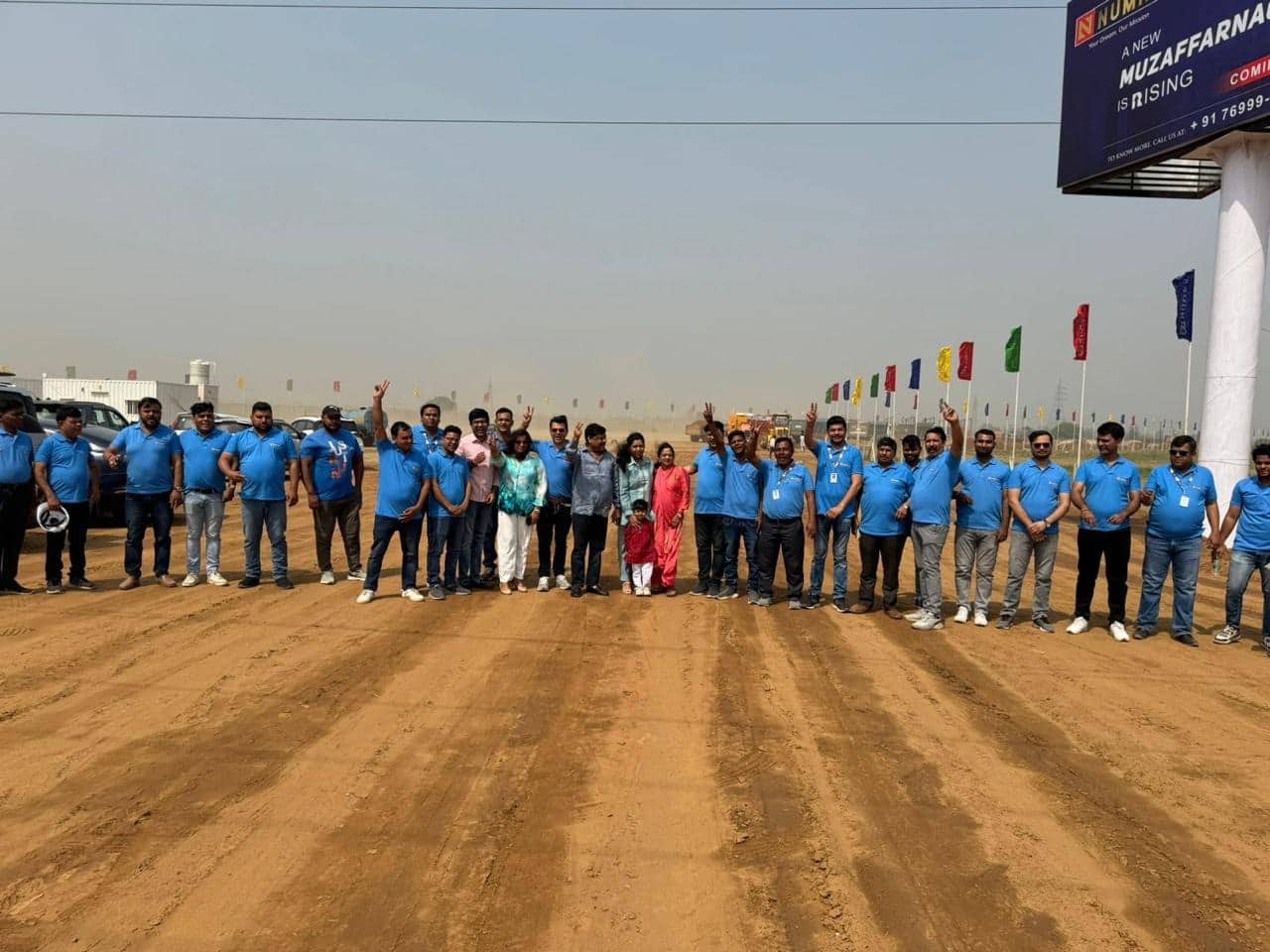
Numax Muzaffarnagar: Modern Living, Excellent Connectivity – Western UP’s Dream Project | Internet & Social Media News
Renowned real estate group Numax has launched a new and state-of-the-art township in Muzaffarnagar, led by Managing Director Sunil Goel. Strategically located near the Delhi-Dehradun Expressway, this 100-acre mega project is set to become Western UP’s first integrated township, offering a modern lifestyle to its residents. With an investment of over ₹2000 crore, Numax Group aims to provide ultra-luxury amenities and world-class infrastructure. This township promises seamless connectivity, advanced infrastructure, and top-tier facilities for sports, education, healthcare, and business development. World-Class Amenities for a Superior Lifestyle ✅ Sports Club ✅ Lawn Tennis, Squash, Billiards, Gym ✅ Badminton Court, Basketball Court, Skating Rink ✅ Theater, Jogging Track, Beautiful Gardens ✅ Gaming Zone and Dedicated Play Area for Kids Education & Healthcare Facilities The township will feature a KR Mangalam School, ensuring quality education for children. Additionally, a nursing home and a fully equipped modern hospital will be established to provide residents with top-notch healthcare services. Commercial & Business Hub To foster economic growth, Numax Township is developing a commercial hub that will create new job opportunities and support local businesses, making it an ideal destination for entrepreneurs and professionals. Sunil Goel: Co-Founder of Omaxe Group and a Visionary in Real Estate With over 35 years of experience in the real estate sector, Sunil Goel has transformed Numax into a trusted and prestigious brand. His vision and innovation have positioned this project as one of Western UP’s largest township developments. Project Approvals & Commitment Speaking about this ambitious project, Sunil Goel stated: “I am proud to announce that we have already received MDA License, CLU, and DPR approval. This project will bring a paradigm shift in the lifestyle of people in Western Uttar Pradesh. I am committed to providing world-class amenities that the region has never seen before.” Sunil Goel: A Trailblazer in Real Estate Sunil Goel’s journey in real estate began in 2001 with the launch of Executive Floors in Gurugram. His visionary approach led to the development of an 85-acre township in Greater Noida in 2003 and the successful launch of ‘The Forest’ in Noida in 2004. His expansions into Lucknow and Indore in 2006 and the 700+ acre integrated township in New Chandigarh in 2010 marked new milestones. By 2017, he had successfully delivered 100 million square feet of real estate. That same year, he founded Numax, a brand symbolizing innovation, progress, and transformation in the real estate industry. Prime Location & Excellent Connectivity Located near the Delhi-Dehradun Expressway, this township offers superior connectivity to Delhi, Meerut, Haridwar, and other key cities. It is an ideal choice for both residence and investment, ensuring a high return on investment. Eco-Friendly & Sustainable Development Numax Muzaffarnagar is designed as an environmentally sustainable township, balancing modern infrastructure with green spaces. Its lush greenery, advanced water management system, and eco-conscious development make it a standout project in the region. Muzaffarnagar’s New Identity More than just a residential project, Numax Muzaffarnagar is set to redefine Western UP’s real estate sector. It offers residents world-class amenities, a safe environment, and a modern yet sustainable lifestyle. If you’re looking for a prime investment opportunity or planning to buy your dream home, Numax Muzaffarnagar is the perfect choice!
Creating Powerful Ensemble Models with PyCaret
Machine learning is changing how we solve problems.
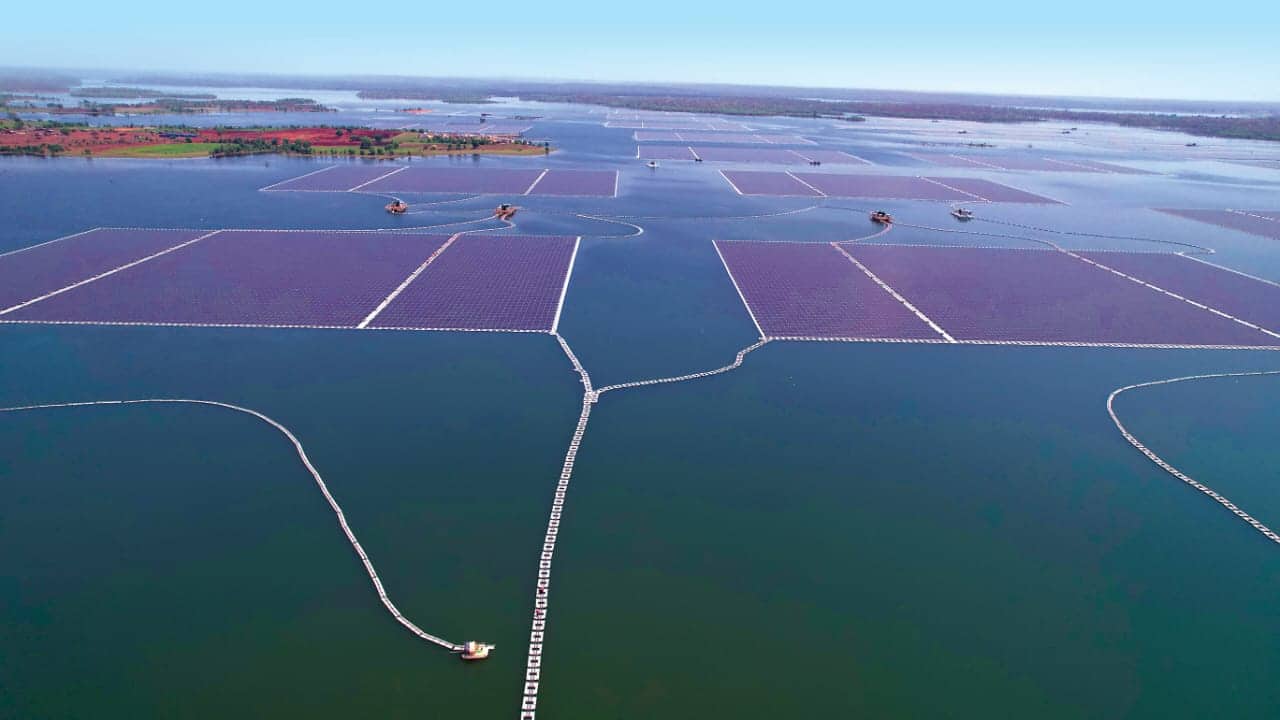
Harnessing Renewable Power: Floating Solar Power by a Giant | Internet & Social Media News
Larsen & Toubro (L&T), a global leader in renewable energy solutions, continues to push the boundaries of engineering innovation. Following its selection as the EPC contractor for the world’s first 24/7 solar PV and battery storage gigascale project in Abu Dhabi, L&T has demonstrated its expertise in floating solar technology with the successful commissioning of a 90 MW floating solar power plant in Madhya Pradesh, India. A Landmark in Floating Solar Energy The Omkareshwar Floating Solar Power Plant, part of a 600 MW floating solar park on the Narmada River, is India’s largest initiative in floating solar energy. This government-backed project, executed under SJVN Green Energy Ltd, aims to strengthen India’s commitment to renewable energy. The first phase targets 278 MW, of which L&T has delivered a substantial 90 MW. L&T was responsible for design, engineering, supply, installation, testing, commissioning, and a three-year operation and maintenance contract. Engineering Marvel on Water Covering 2.12 square kilometres, the floating plant comprises over 2 lakh monocrystalline bifacial PV modules supported by 4.2 lakh high-density polyethylene (HDPE) floats. The innovative solar islands, measuring 300 × 200 metres, are anchored at 187 points with helical and rock-bolt systems, ensuring stability against fluctuating water levels. The project also features floating inverter barges, fabricated using fibre-reinforced plastic (FRP) pontoons, providing enhanced durability and operational reliability. Overcoming Complex Challenges Deploying a large-scale solar plant on water presented significant challenges. The presence of submerged obstructions such as dead trees and electric poles from the dam’s construction posed major hurdles. A specialized team of divers, led by a former naval officer, conducted underwater preparations, clearing obstacles and securing anchor placements. Additionally, customised hydraulic drilling equipment was used to ensure the firm embedding of anchors into the reservoir bed. The mooring and anchoring of solar arrays in deep waters required L&T to adopt cutting-edge engineering solutions. Prioritising Safety with DiGi Tokens Ensuring worker safety was a top priority. Over 300 workers received extensive training in activity-specific protocols. Safety measures included life jackets with whistles, sun-protected boats, and a real-time personnel tracking system called DiGi Tokens. This system monitored entry and exit logs, enabling rapid response to emergencies or unauthorised access. Detailed Standard Operating Procedures (SOPs) were established for various risks, including drowning, fire hazards, and wildlife encounters. Regular mock rescue drills further enhanced preparedness. These efforts resulted in 0.717 million safe man-hours, with an external safety audit by Bureau Veritas scoring above 85%.
YOU SEE AN LLM HERE: Integrating Language Models Into Your Text Adventure Games
Text-based adventure games have a timeless appeal.

Stop Adding New Features to Win Users: Know Your Customer the AI Way | Internet & Social Media News
Are companies solving the wrong problem? While product teams race to launch new features, many overlook a crucial truth: users don’t leave apps because they lack features—they leave because the app doesn’t meet their specific needs. Arbaz Khan, a veteran in building large-scale AI systems, asserts, “Companies need to compete on understanding users, not feature lists.” Today’s technology makes personalization not just possible but essential for success. India’s Digital Revolution: Personalization at the Core Khan highlights India’s food delivery giants, Swiggy and Zomato, as leaders in personalization. “A user doesn’t want to sift through thousands of restaurants—they want to see their favorite Biryani place or options matching their taste and budget,” he explains. Similarly, streaming platforms like Hotstar and Netflix thrive by catering to local preferences, such as offering regional content or personalized sports highlights. Personalization Beats Features and Content “Even the best content is useless if users can’t find it,” Khan emphasizes. In e-commerce, platforms like Flipkart and Amazon succeed by tailoring search results. For instance, a search for ‘kurta’ shows options based on past purchases, style preferences, and budget, which drives higher conversions than simply showing the highest-rated products. Affordable Personalization: A Reality Khan challenges the notion that personalization is costly. “A consumer-grade PC can handle 10,000 predictions per second with deep learning models, while gradient boosting systems can process up to 100,000 predictions on the same hardware,” he reveals. Personalization, he explains, can be both efficient and budget-friendly. Smart Architecture: The Two-Stage Approach Khan outlines a two-stage recommendation system that balances speed and quality. The first stage uses a lightweight model to shortlist 100 candidates quickly. The second stage employs a deep learning model to re-rank these for the user. This approach powers platforms like Flipkart and Uber Eats, enabling real-time, cost-efficient personalization. The Future of Personalization Investments in personalization technology are growing. “Top recommendation models today reach sizes of 100 terabytes, requiring significant infrastructure. However, the ROI is undeniable,” Khan states. Personalization directly impacts user engagement, retention, and revenue. Khan concludes, “As India’s digital economy expands, the companies that succeed will be those that best understand their users. The future of digital products is personalized, and those who invest in this will lead the market.” Arbaz Khan is a machine learning expert in recommendation systems. His views are personal.
Kernel Methods in Machine Learning with Python
Kernel methods are a powerful class of machine learning algorithm that allow us to perform complex, non-linear transformations of data without explicitly computing the transformed feature space.